Generalization in ABA Therapy: Helping Children Use Skills in Everyday Life
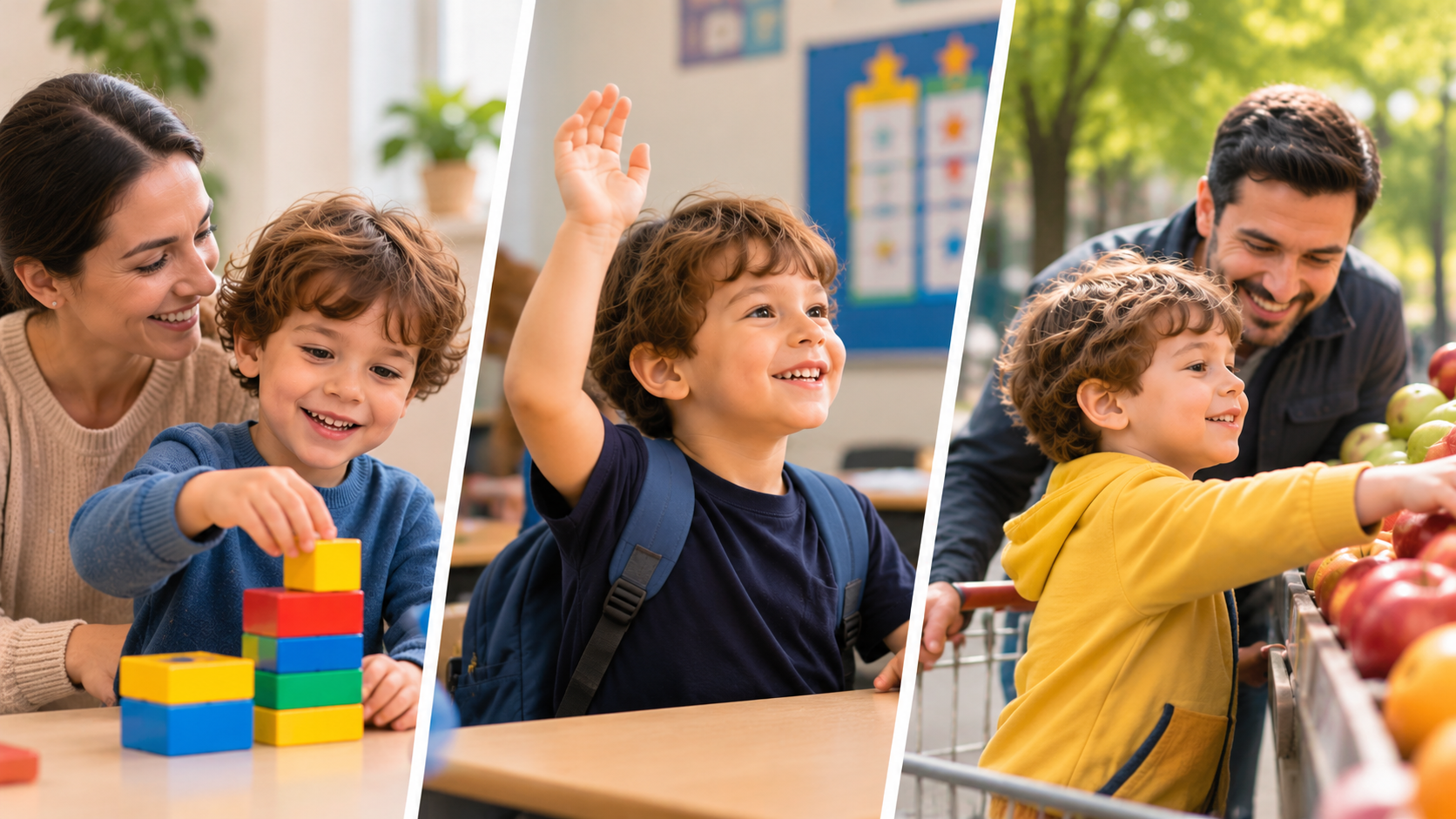
Children with autism often need supported practice with different people and in different places to use skills learned in therapy. Generalization in ABA describes that carryover into everyday life.
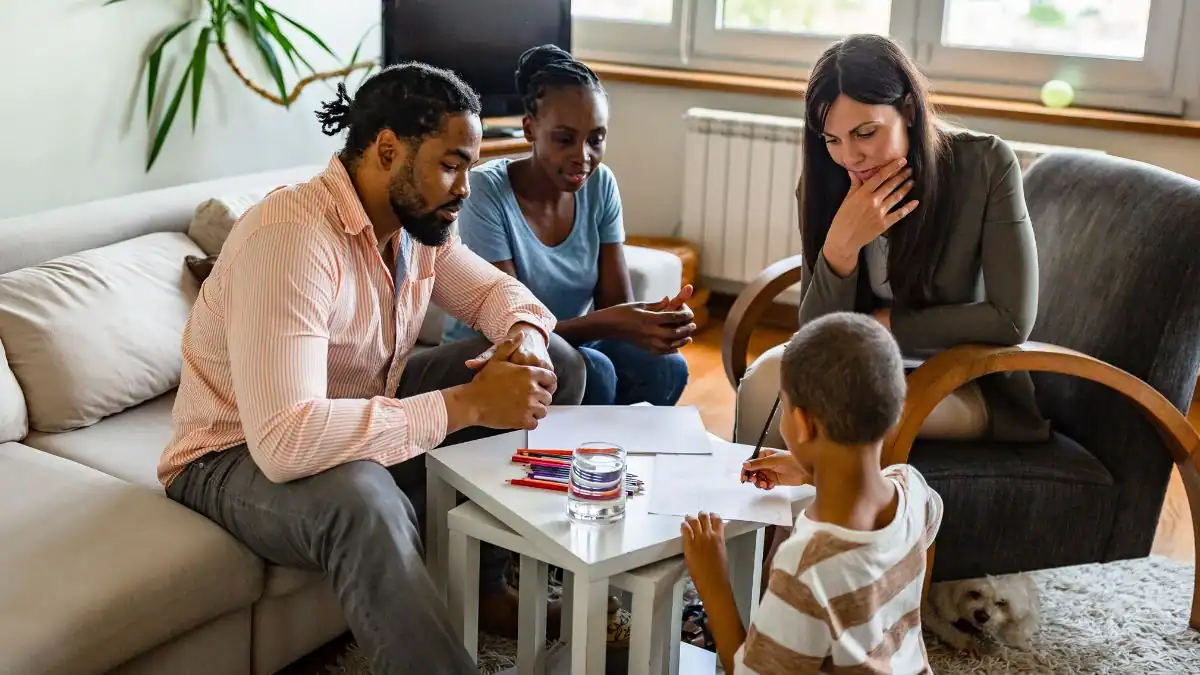
You may see your child ask a therapist for help but not request it at school. Differences in familiar cues or available support can matter. Looking at daily routines at home, school, and in the community can help your child's team understand what makes a skill useful.
Key Takeaways
- Generalization means using learned skills beyond the original teaching situation, including with different people and during everyday activities.
- Carryover may need support because routines, materials, and communication partners change.
- Speech, gestures, signs, and AAC can all support meaningful communication.
- Families, caregivers, educators, and ABA professionals can share observations and choose useful goals together.
How generalization in ABA helps skills carry into everyday life
Generalization in ABA therapy is planned so your child can use skills across people, places, and materials. A skill has generalized when your child uses it beyond the exact situation where they learned it.
Why a different setting can change the task
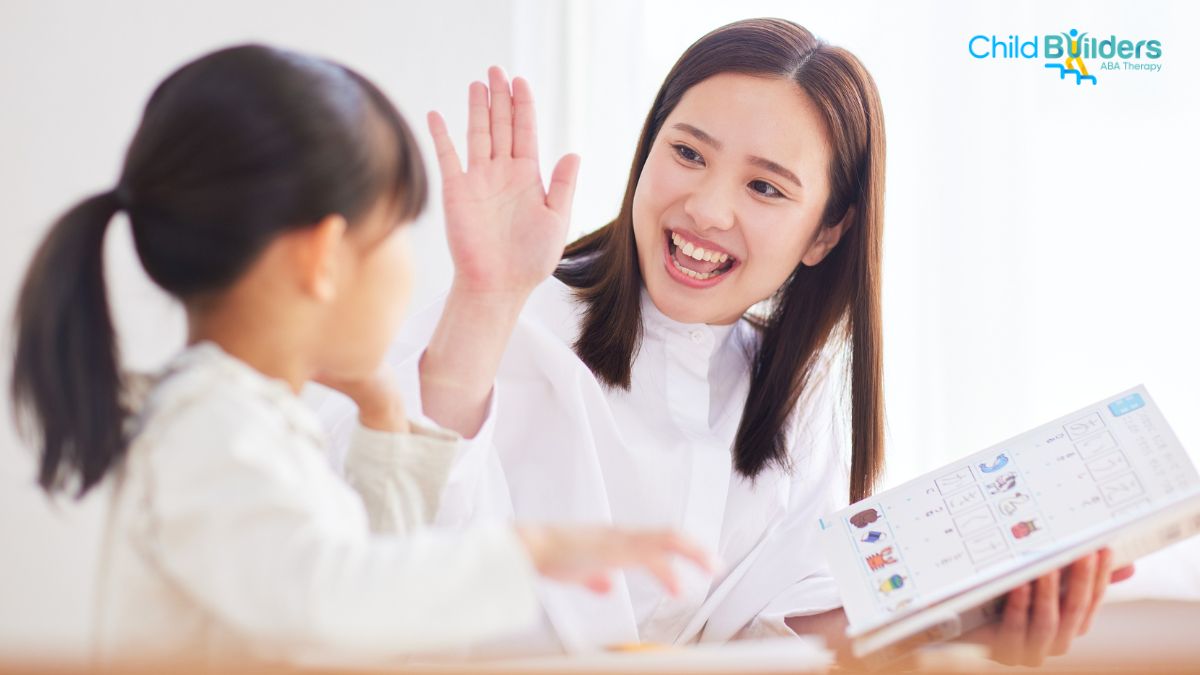
A classroom may have different instructions, background noise, or materials than a therapy session. Your child may also need support recognizing when another person can help.
A 2020 systematic review of generalization focused on social communication interventions. Its scope doesn't establish what will happen with every daily living skill or individual child.
Two ways a skill can generalize
Stimulus generalization means responding to a familiar situation even when something looks different. Recognizing different adults as people to ask for help is one example. Varied stimuli and multiple exemplars help build stimulus generalization, so a child doesn't depend on one visual cue or setting.
Response generalization means using different appropriate responses to meet the same need. A child might request help through speech, a gesture, or a communication device. Fostering response generalization lets a child communicate or solve problems with a range of functionally equivalent behaviors. Their preferences should guide which methods adults support.
What generalization looks like at home, school, and in the community
Using functional skills across multiple settings can support long-term independence. These examples describe possibilities, not outcomes every child should reach.
At home, using communication and daily living skills
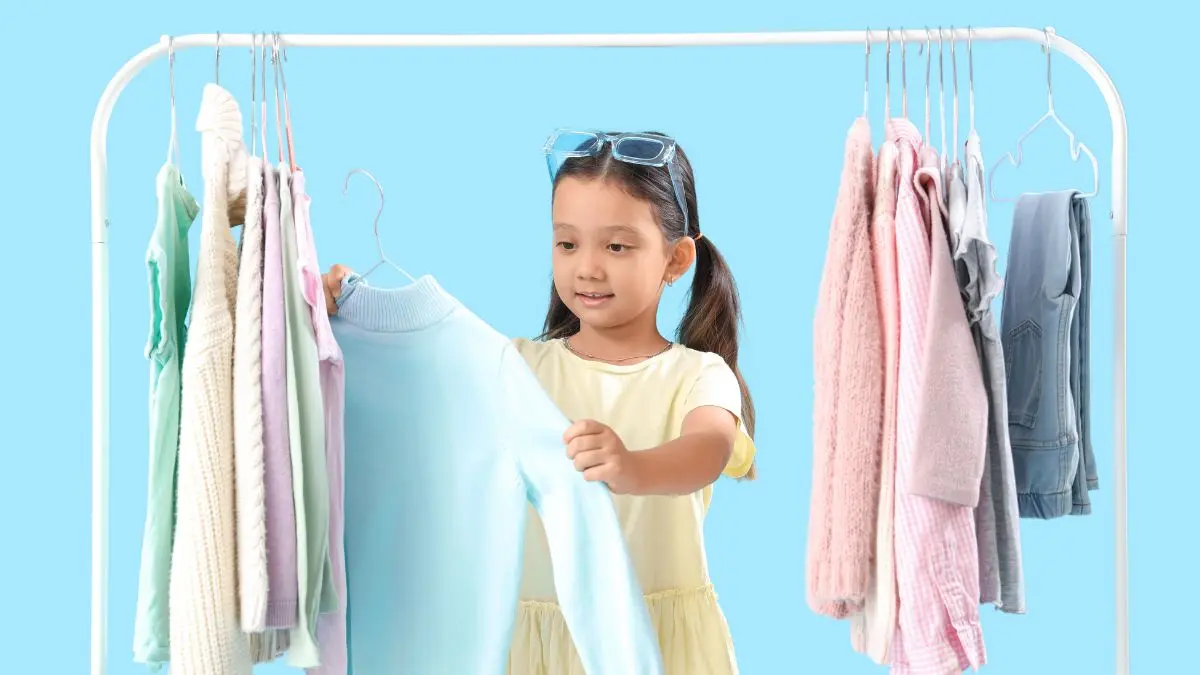
A child might request help opening a snack or fastening clothing. Depending on their communication preferences and support plan, they may speak, sign, gesture, or use an augmentative and alternative communication (AAC) device.
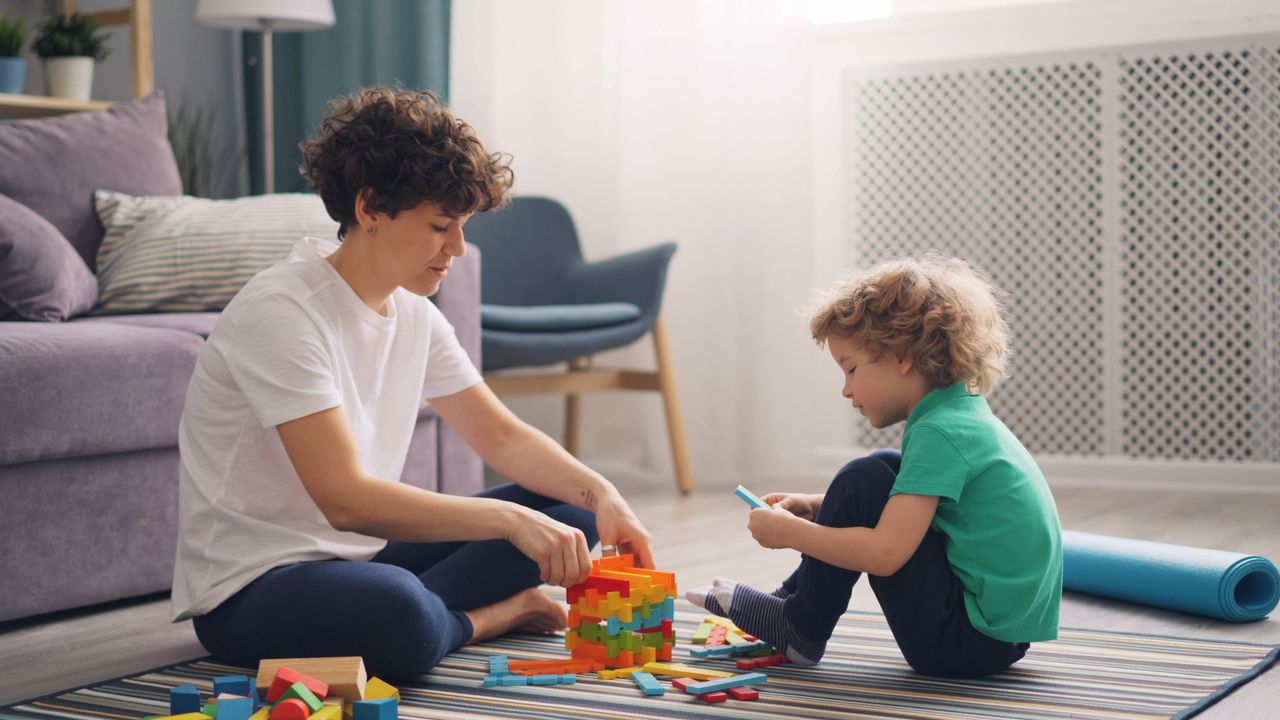
Naturalistic teaching and Natural Environment Training (NET) can fit learning trials into family activities and chores. For example, a child might practice washing hands at another sink.
At school, using a familiar skill with new people
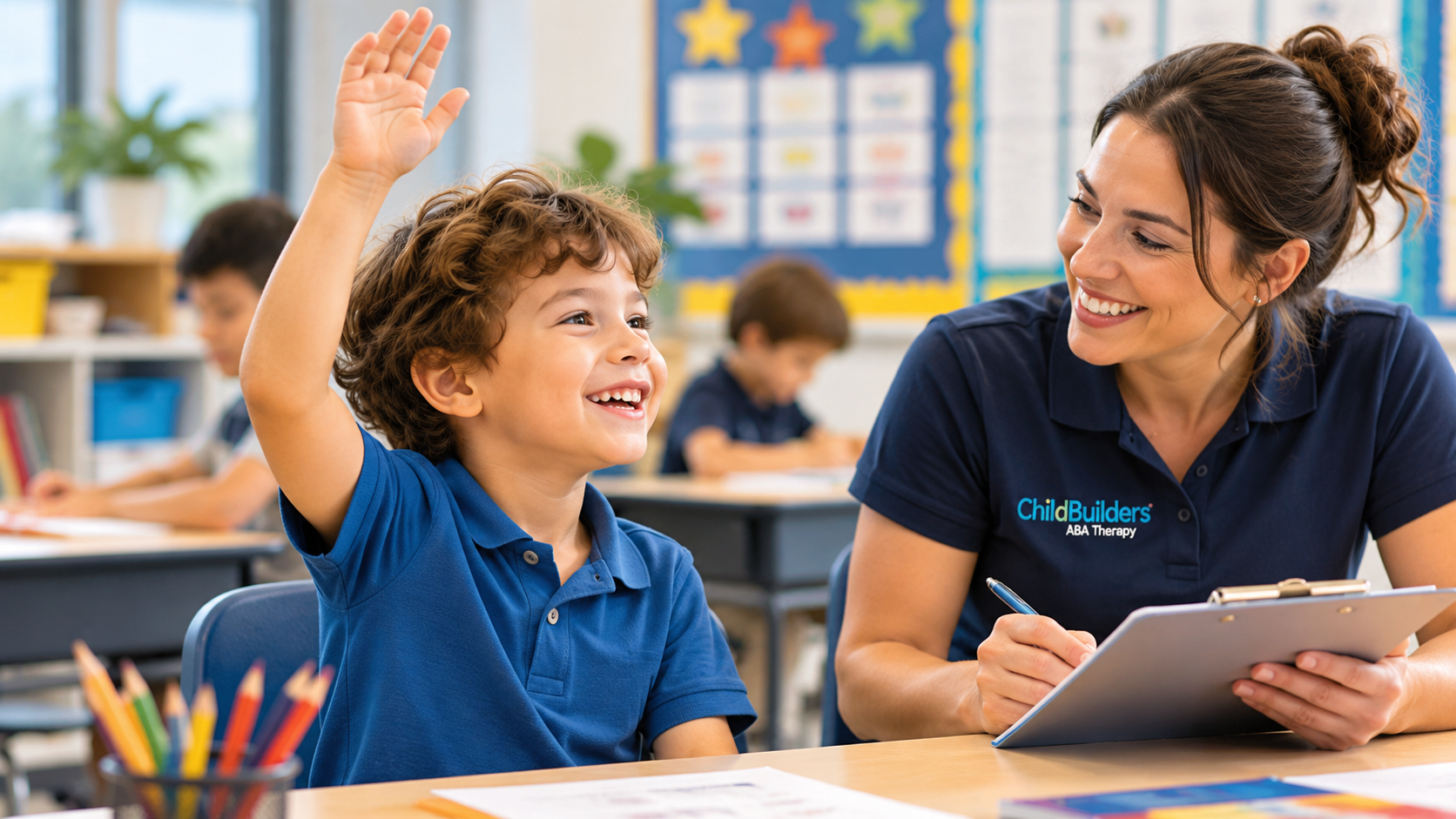
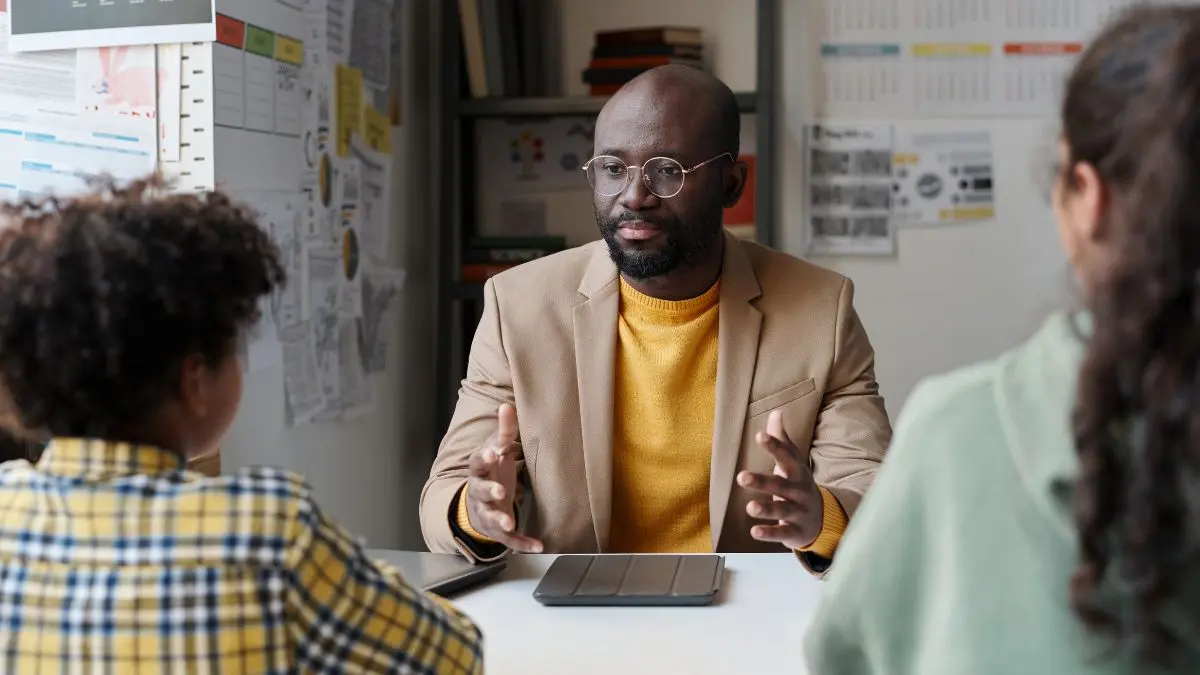
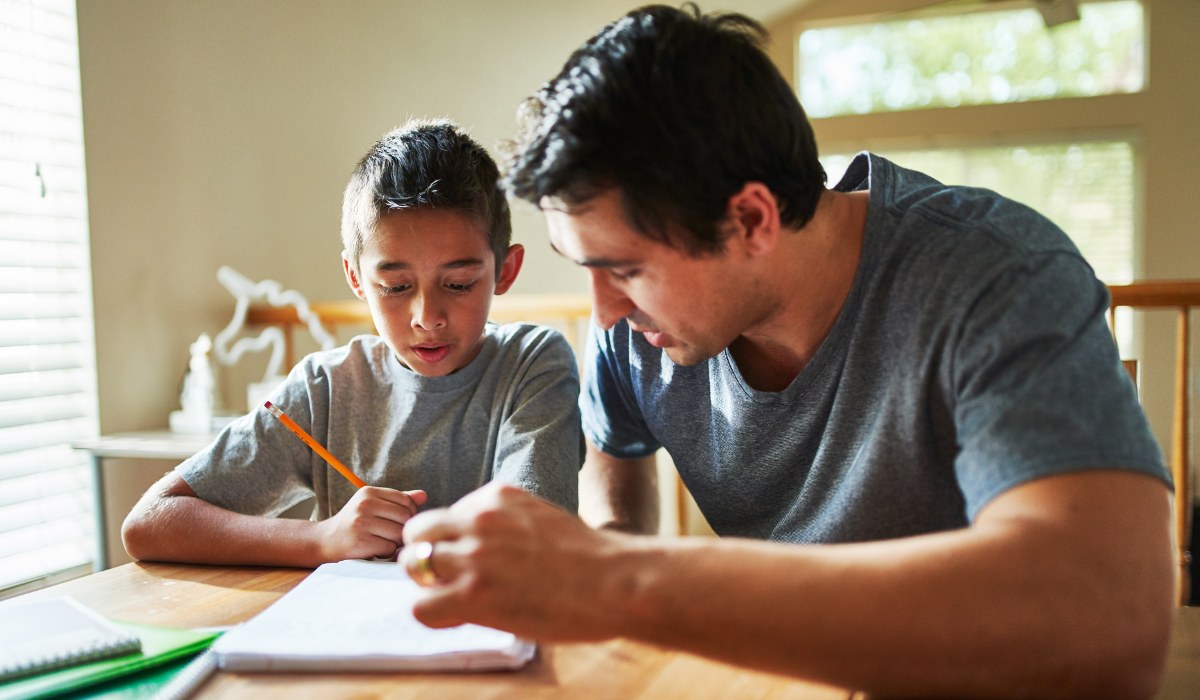
Requesting help with an assignment involves a different communication partner than requesting help during therapy. Teachers and therapists may need to coordinate familiar cues and communication supports.
Similarly, following a classroom routine or taking turns with classmates may require support because the activities differ.
In the community, practicing skills during real activities
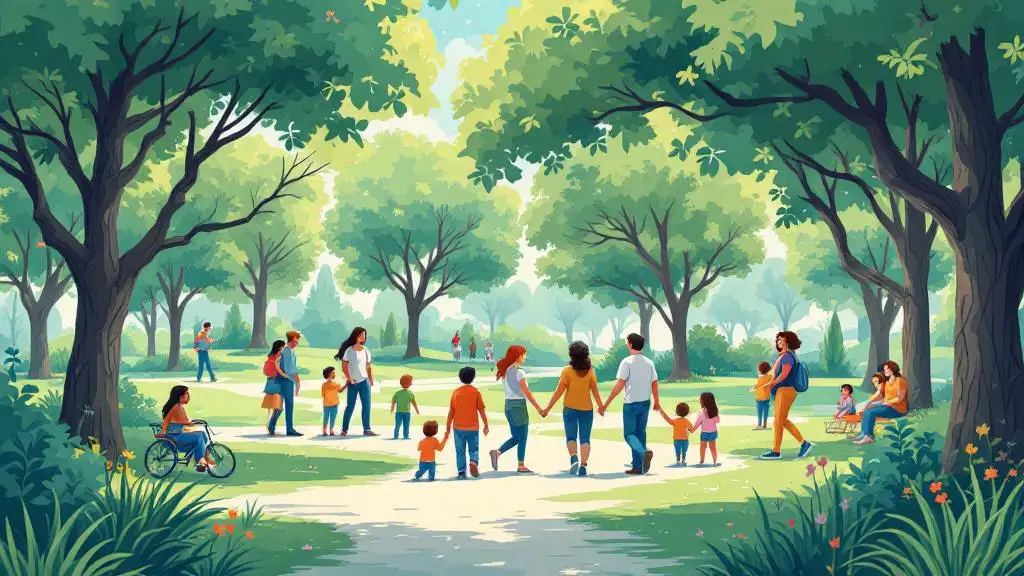
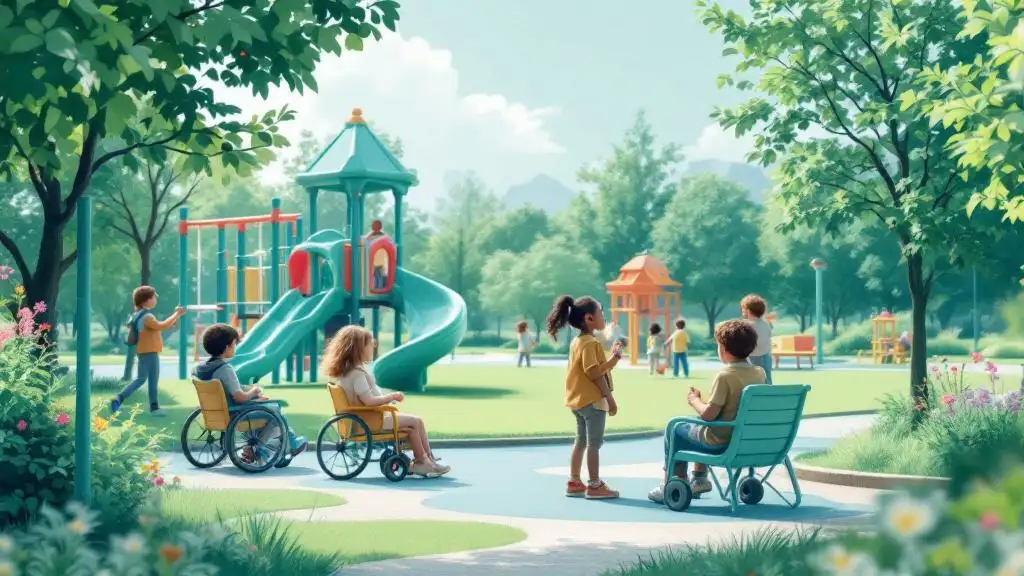
Real-life activities give children chances to practice social communication outside the clinic with community members, including librarians, store clerks, and peers. At a library, a child might ask for help finding a book, or communicate a choice between items while shopping.
Waiting during a community activity may also involve unfamiliar noise or uncertainty. Support should help the child participate comfortably and communicate their needs.
How families and the care team can support skill transfer
Choosing meaningful goals together
Start with activities that matter to your child and family. Structured parent training helps align home routines with clinical strategies. Ongoing parent training gives caregivers practical ways to coach their child confidently.
Research on naturalistic developmental behavioral interventions describes promoting generalization throughout teaching. Clinicians can use prompt fading to reduce adult cues and shift artificial reinforcement toward natural reinforcers, such as enjoying an activity after requesting it. Access to natural reinforcers can help a skill continue in daily routines.
At Child Builders ABA, our ABA services in Rhode Island include home-based, school-based, and community-based support, including services for Warwick families. Direct school-based services require a separate school or district contract.
What to discuss if a skill is not showing up elsewhere
Ask where and with whom the skill has been practiced. Discuss differences in cues, materials, and your child's preferred communication method.
For a multi-step routine like getting dressed, the team can use a task analysis to list each step. Reviewing each step of the task analysis can pinpoint where carryover breaks down.
Also ask what support would make the skill useful in daily life. A concrete observation, such as requesting help during dressing but not during homework, gives the team something to explore.
Together, agree on simple ways to notice progress, including age-appropriate self-monitoring strategies. Practicing self-monitoring helps learners track their own progress. Families shouldn't need to redesign clinical treatment themselves.
Frequently Asked Questions
How long does it take for a child to generalize a skill?
Timing varies with the child, skill, setting, and available support. Learning something during therapy doesn't establish a timeline for using it elsewhere. Consistent skill maintenance takes periodic review across settings, and brief practice in daily routines supports skill maintenance. Checks over time help track skill retention, while continued review supports lasting skill retention.
Does generalization happen automatically after a child learns a skill?
No, not always. Spontaneous generalization occurs for some skills, but expecting spontaneous generalization in every routine is unrealistic without deliberate practice using multiple exemplars. Some skills need planned opportunities and support with different people or materials. Success in one setting is useful information, but it doesn't establish independence everywhere.
Can a child generalize a skill using an AAC device or gestures?
Yes. Generalization concerns using a skill meaningfully, whether communication involves speech, AAC, signs, or gestures. Adults should honor the child's established communication methods and individual preferences rather than require speech as proof of progress.
What should I do if my child uses a skill at home but not at school?
Share a specific observation with your child's care team and school staff, including what happened before the skill occurred. Together, they can explore whether the difference relates to stimulus generalization, such as unfamiliar classroom cues, or response generalization, such as adapting communication to classroom group dynamics. The difference doesn't mean your child is choosing not to participate.
Helping skills fit your child's everyday life
Generalization is about helping useful skills fit your child's routines, relationships, and communication needs. Your child doesn't need to perform identically everywhere for a skill to matter.
Share what you notice with the care team, including when support helps. Those observations can guide meaningful next steps toward using skills where your child needs them.