7 Everyday Routines for Supporting ABA Therapy at Home When Life Is Busy

Key Points:
- Supporting ABA therapy at home means embedding therapy goals into daily routines such as mornings, meals, play, and errands.
- Caregivers reinforce communication, coping, and independence by using clear cues, brief practice, and consistent follow-through.
- Short 10 to 20-minute daily practice blocks strengthen skill carryover without adding separate sessions.
Busy days rarely pause for therapy homework. Appointments, work, school, and caregiving needs already fill the schedule, so extra tasks can feel like too much. Yet small moments inside the day can quietly support behavior goals children are working on in ABA.
Supporting ABA therapy at home does not mean buying special materials or turning the house into a clinic. It means using the routines you already have to practice the skills your child is learning in ways that fit your space, energy, and time.

Why Everyday Routines Help ABA Skills Grow
Daily habits give children clear patterns, and those patterns are powerful for learning. Research on parent-mediated programs shows that when caregivers learn simple strategies and use them during regular activities, children’s adaptive skills and communication improve compared with usual care alone
Caregivers also carry a heavy load. One national brief estimated that almost 17 million family caregivers in the United States support children with developmental disabilities under 18, and many face higher risks of stress-related health problems
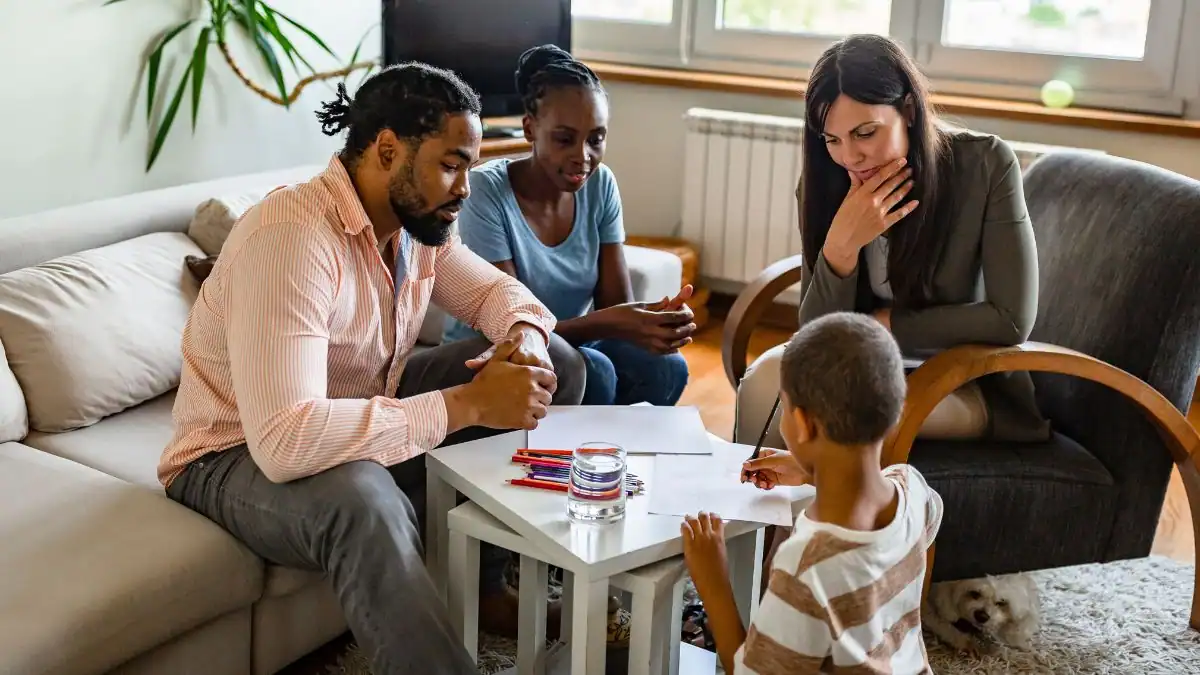
That makes it even more important to fold skill practice you will learn through parent consultation and training into existing routines, rather than adding long, separate sessions. The 7 routines below show how practicing ABA skills at home can live inside the day you already have.
1. Morning Routines: Start With Small Wins
Mornings can feel rushed, but they are also predictable. Getting dressed, eating breakfast, and heading out the door give many chances to support behavior goals without adding extra time.
Caregivers can work with the BCBA to pick one or two targets that match the current plan, such as:
- Following a simple sequence of steps
- Responding to a short direction the first time
- Using a picture or word to ask for help
Simple tools help mornings run smoother:
- Visual list: Draw or write 3–5 steps, like “shirt, pants, shoes, backpack.”
- “First–then” language: “First shirt, then music,” or “First toothbrush, then favorite toy.”
- Praise that feels real: “You went to get your shoes as soon as I asked. That makes leaving easier for everyone.”
Supporting ABA therapy at home during mornings does not require a perfect routine. It relies on repeating the same cues, celebrating small progress, and adjusting with the treatment team as your child grows.
2. Mealtimes: Build Communication at the Table
Shared meals, even quick ones, are strong moments for functional communication training. The goal here is not a long, quiet dinner. The focus is on helping a child use functional communication skills, such as words, signs, or pictures, to have their needs met in ways that align with their ABA goals.
During meals, caregivers can:
- Offer small portions and pause so the child can request “more,” “water,” or a specific food.
- Use picture cards or a simple choice board for “this or that” decisions.
- Practice short social routines, like “thank you,” “all done,” or “my turn.”
Research on daily routine-based coaching has shown that guiding caregivers to use strategies during activities such as mealtimes can improve children’s engagement and reduce parent stress.
Many homes share space with extended family or neighbors, so flexibility helps. One night might include everyone at a table, while another might mean a child eats on a mat on the floor. As long as expectations remain clear and choices remain simple, mealtime can remain a reliable opportunity to reinforce functional communication.
3. Transitions Out the Door: Practice Coping in Short Moments
Leaving the house can bring big feelings. Children may be asked to stop a preferred activity, face noise or crowds, or move faster than they want. Many ABA plans include goals around transitions and coping, and daily departures are a built-in chance to practice.
Caregivers can make transitions more predictable by:
- Giving short warnings: “Five minutes, then shoes”; “Two minutes, then door.”
- Using a timer so children can see or hear the countdown.
- Keeping a simple sequence: “Shoes, backpack, door,” repeated the same way each day.
During tougher mornings, coping skills can be rehearsed in tiny pieces:
- Taking one slow breath together at the door
- Holding a preferred small object while walking to the porch or gate
- Saying or signing a simple phrase like “I can do this” once before leaving
When caregivers keep using the same support, generalization of skills in ABA becomes more likely. Skills that start in therapy sessions begin to show up in real-world moments like catching the bus or walking to a car.
4. After-School Time: Turn Play Into Practice
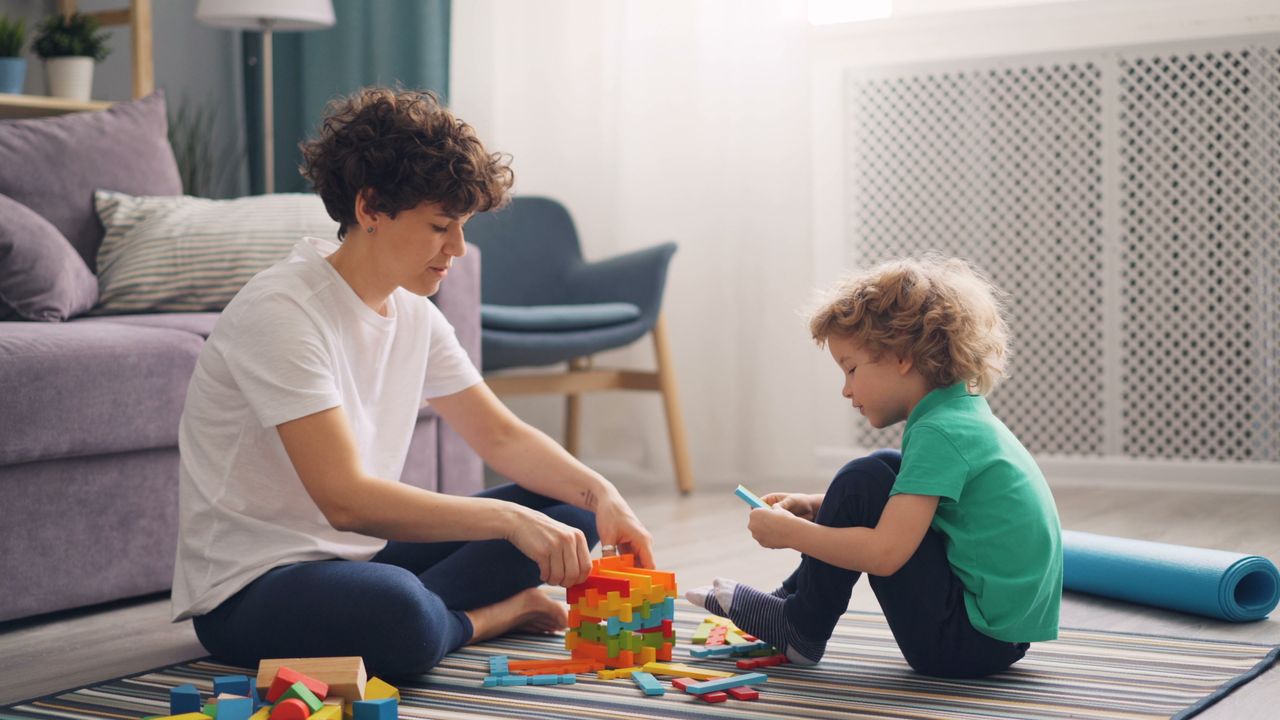
Afternoons often come with tired kids and tired adults. Instead of long practice sessions, short games can weave ABA goals into play that already happen after school or daycare.
Depending on the treatment plan, after-school practice might focus on:
- Turn-taking with a caregiver or sibling
- Waiting for a cue before starting a game
- Following one or two simple rules consistently
Low-cost ideas include:
- Card or board games: Use decks of cards, simple matching games, or even homemade board games drawn on cardboard.
- Imitation games: Take turns copying claps, steps, or silly faces.
- Toy rotations: Put a few toys in a basket and practice asking for one at a time.
Home practice ABA skills in this block do not have to look like school. Short, fun rounds of play let children see that the same skills used in social skills groups, like waiting, sharing, and following directions, still apply when they are with siblings or caregivers.
5. Screen Time: Use Media With Intention
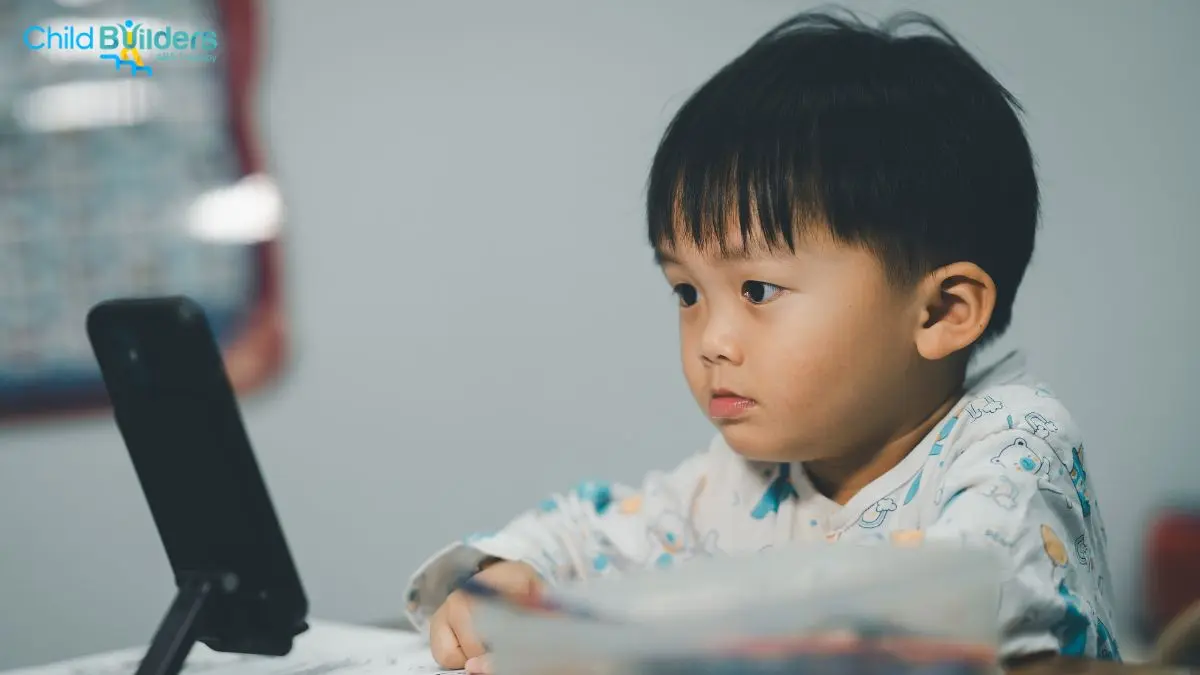
Many caregivers rely on screens so they can cook, clean, or take a breath. Instead of seeing screen time as the “opposite” of learning, families can treat it as another setting where ABA strategies can be used.
Some simple ideas include:
- Pausing the show and waiting for the child to request “play,” “my show,” or “again” with a word, sign, or picture
- Agreeing ahead of time on how long the video or game will last, and using a timer to show when it ends
- Practicing a transition phrase like “one more time, then off” and following through consistently
Spending on behavioral intervention services for young children with developmental conditions can exceed $50,000 per year per child in some insurance data, yet only a fraction of eligible children receive intensive services.
That makes it even more important to use what the family already uses, like screens, to reinforce ABA goals at home, rather than expecting a completely different lifestyle.
6. Evening Wind-Down: Calm Skills Before Bed
Evenings often include the same steps most nights: cleaning up, changing clothes, brushing teeth, and settling into bed. For many children with behavior challenges, this time can feel hard, but it also offers a steady stage for practicing calm routines at home.
Caregivers can:
- Use a short visual or written list for “night steps,” kept where the child can see it
- Practice one relaxation tool, such as slow breathing, gentle stretches, or a quiet song
- Encourage the child to use a phrase, sign, or picture to ask for a comfort item or “five more minutes” once, rather than repeating the request many times
Studies on families of children with special educational needs show that caregiver stress rises when daily care feels unpredictable and overwhelming. A calm, repeatable evening routine helps both the child and the adults feel more settled, even if it's short and takes place in a shared room.
Maintaining ABA progress at home at night is less about perfection and more about returning to the same steps and language, even after a tough day.
7. Weekends and Errands: Bring Skills Into the Community
Trips to the store, park, or a relative’s home often create stress for caregivers, yet they are exactly where many ABA goals are meant to show up. Instead of trying to practice every goal on every outing, it helps to choose one focus at a time.
Weekend practice might include:
- Staying near a cart or stroller for a short section of the store
- Responding to a name in a parking lot or on a sidewalk
- Practicing “wait” for a brief line at a shop or food stand
Children with developmental disabilities often depend more on caregivers than their peers and need extra support in busy spaces, which can raise caregiver fatigue and stress. Short, planned outings help families feel more prepared.
Supporting ABA therapy at home during weekends often means talking with the BCBA about which goals make sense in community settings, then starting with very small trips and building up only when everyone feels ready.

FAQs About Supporting ABA Therapy at Home
How much time should caregivers set aside for home practice each day?
Caregivers should set aside about 10 to 20 minutes per day for home practice, divided into 2 to 5-minute blocks within daily routines. Brief practice during meals, mornings, and bedtime builds consistency without overload. Short, repeated practice strengthens skill carryover more effectively than a single 30-minute session.
What if different caregivers use different strategies at home?
Different caregiver strategies at home can slow progress when responses are inconsistent. Children improve faster when all caregivers follow one simple, written behavior plan. A shared plan should state the goal behavior, the exact prompt to use, and how effort will be reinforced to maintain consistency.
How can caregivers track ABA progress at home without complex data sheets?
Caregivers can track ABA progress at home by using simple, quick notes instead of complex data sheets. Mark successful days on a calendar or write brief entries such as “used picture to request twice at dinner.” Short, consistent tracking helps BCBAs adjust goals and shows progress over weeks.
Make Everyday Routines Work for You
Everyday routines can quietly support ABA goals when they include clear cues, small steps, and steady follow-through from caregivers. Morning rushes, simple meals, short errands, and bedtime rituals all become places where skills grow instead of moments that only feel stressful.
At ChildBuilders, we provide personalized evidence-based ABA therapy for children with autism, with services available in Rhode Island and Massachusetts. Our team works alongside caregivers so home life, school demands, and therapy goals line up in ways that feel realistic for each family.
When you feel ready to see how these ideas could look in your own routines, reach out to us. We can talk together about your child’s goals, the support we offer, and how our services can fit into the life you already have.
























.jpg)