ABA Therapy at Home: Calm Meltdowns Without Leaving Home

Key Points:
- ABA therapy at home helps reduce meltdowns by focusing on real triggers in your child’s environment.
- Therapists use observation, behavior plans, and parent coaching to teach calm routines, early signs, and coping skills.
- Parents learn to guide behavior step by step using visuals, choices, and consistent responses.
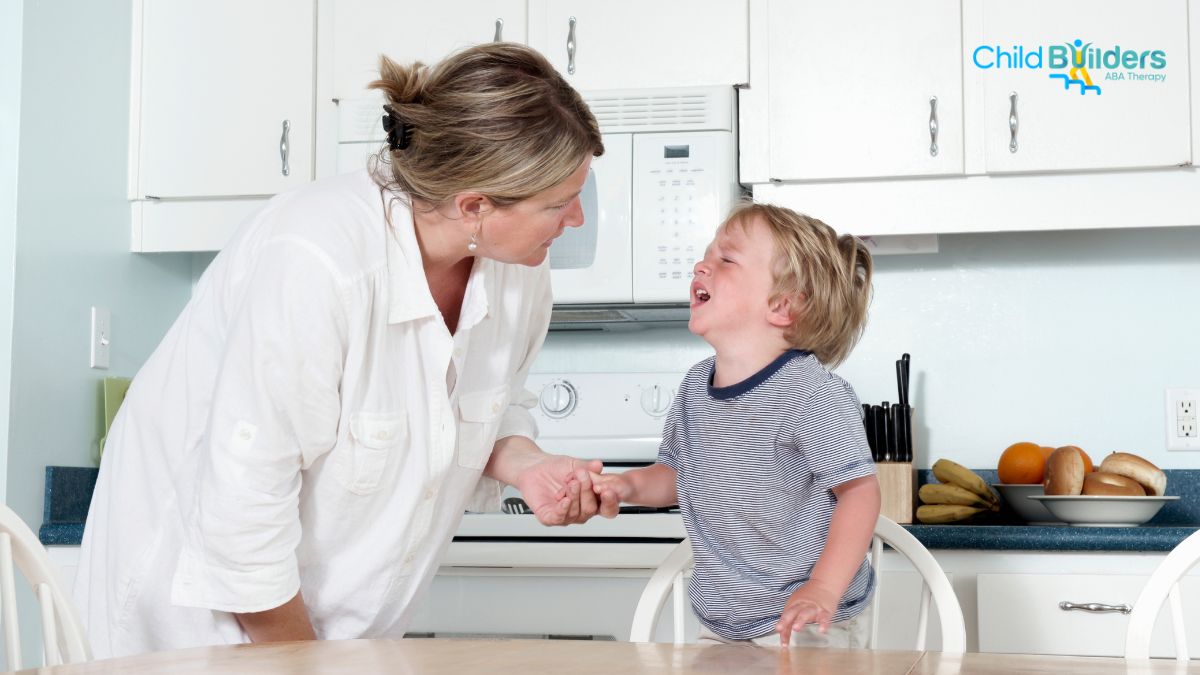
When meltdowns explode in the living room, kitchen, or car doorway, getting out the door to a clinic can feel impossible. Parents want help that reaches the actual moments when shoes fly, doors slam, or siblings hide.
ABA therapy at home focuses on those real moments. A therapist comes into your child’s space, studies what sets off big reactions, and helps you build practical routines to prevent and soften meltdowns. You gain language, tools, and a plan instead of just “hang in there” advice.
The sections below walk through what in home sessions actually look like, how trigger analysis works in real rooms, and how home based coaching turns meltdown chaos into steps you can practice.
What Happens During an In-Home ABA Session for Meltdowns
In many homes, the first question is simple: “What will the therapist actually do when they walk in my door?” An in home session for meltdowns usually follows a predictable rhythm that still leaves room for your child’s needs that day.
A typical visit often includes
- Check-In: The therapist reviews how the week went, any major tantrums, and what seemed to set them off.
- Warm-Up: The therapist joins a preferred activity so your child sees them as safe, not as another person giving instructions.
- Focused Practice: Therapist works on one or two goals related to meltdowns such as asking for a break or shifting between activities.
- Real Life Practice: Therapist supports you through a known hot spot such as turning off a tablet, starting homework, or getting ready for bed.
- Debrief: Therapist and parent discuss what worked, what did not, and adjustments for next time.
During these blocks, the therapist collects data quietly. That might look like noting how long a meltdown lasts or how many times your child uses a new calm down phrase. Research shows that ABA programs that rely on consistent data tracking lead to more reliable gains in communication and daily living skills.
An in home session for meltdowns tries to:
- Keep practice short and repeatable so you can use it between visits.
- Blend play and structure so your child stays engaged while learning new coping skills.
- Include you in every step instead of working only one-on-one with your child.
In this setting, aba therapy at home starts to feel less like a mysterious treatment and more like coaching for your whole family during the hardest parts of the day.
How Do Therapists Find Meltdown Triggers in Your Home
Calming meltdowns starts with understanding what sets them off. ABA therapists lean on a simple idea described in many behavioral guides. Behavior changes when we look at what happens before and after it, not only at the behavior itself.
During home visits, therapists do the following:
- Watch where meltdowns usually occur, such as the kitchen table or hallway.
- Listen for patterns in your stories about school days, weekends, or holidays.
- Notice noise, lighting, clutter, and other sensory inputs that might fuel autism sensory overload.
They often map triggers using the ABC framework:
- A: Antecedent: What happened right before the meltdown, such as “tablet turned off without warning” or “sibling picked up favorite toy.”
- B: Behavior: What the meltdown looked like, such as shouting, dropping to the floor, hitting, or running away.
- C: Consequence: What happened right after, such as a parent turning the tablet back on, giving extra attention, or delaying a chore.
Common home triggers include:
- Sudden Transitions: Shifts from preferred to nonpreferred activities, such as from videos to bath time.
- Sensory Overload: Loud appliances, bright lights, or crowded rooms during busy times like dinner.
- Unclear Expectations: Rules that change from day to day or differ between adults.
Autism is now identified in about 1 in 31 children in the United States, so many families face these daily challenges. That scale of need is one reason home based support and coaching have become central parts of modern care.
Simple Home Behavior Plans That Parents Can Actually Use
Once triggers are clearer, the therapist helps you build a behavior plan that fits the way your home already runs. The goal is practicality. You should not need ten new charts on the fridge to see changes. A home plan for meltdowns often covers three pieces.
1. Preventive Supports
These steps lower the chance of a meltdown even starting.
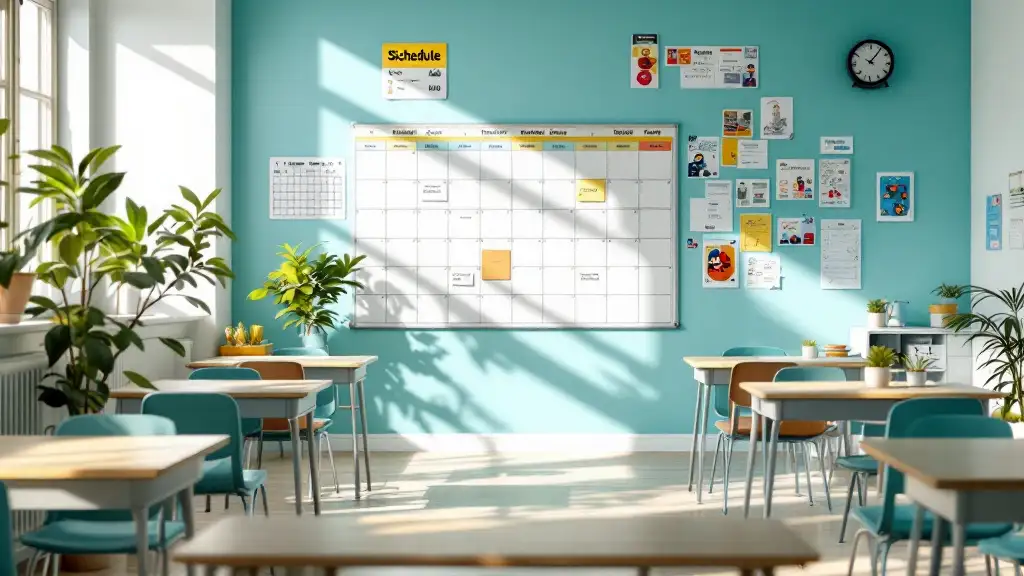
- Predictable Autism Routines: Use simple visual schedules or checklists for morning, after school, and bedtime.
- Warm-Up Warnings: Offer time based or activity based warnings such as “two more minutes, then we turn off the game,” paired with a timer.
- Built-In Breaks: Add short movement, sensory, or quiet breaks during long tasks.
ABA-based studies show that structured routines and clear expectations help improve adaptive skills and reduce challenging behaviors over time.
2. New Skills to Replace Meltdowns
Every plan aims to teach your child a safer way to get the same need met. Examples include
- Asking for Help: Teaching a sentence, sign, or picture card such as “help please” during hard tasks.
- Requesting a Break: Practicing a break card or phrase before meltdown-level distress builds.
- Choosing Between Options: Offering simple choices such as “put on shirt first or pants first” so your child feels more control.
These replacement skills are chosen to match your child’s language level and sensory profile.
3. Responses During and After Meltdowns
When a meltdown still happens, the plan guides what adults do next.
- Safety First: Move fragile items and keep siblings safe while staying as calm as possible.
- Brief, Consistent Phrases: Use the same short reminder, such as “you are safe, I am close,” instead of long lectures.
- Return to the Task With Support: Once calm, help your child finish a smaller, supported version of the original demand so the meltdown does not become the fastest way to avoid tasks.
These steps form the core of many ABA therapy at home techniques. They turn vague advice like “use positive reinforcement” into specific, rehearsed moves you can rely on when emotions run high.

What Does Parent Coaching Look Like in ABA Therapy at Home
Home sessions do more than support your child. They also provide aba therapy at home for parents who want clear guidance on their child's emotions instead of trial and error. A coaching-focused visit often follows a simple arc:
- Explain: Therapist summarizes the skill for the day, such as “praise specific behaviors” or “use a calm-down script.”
- Model: Therapist demonstrates the skill with your child while you watch.
- Practice: You try the same steps with your child while the therapist gives quiet prompts.
- Feedback: Therapist offers concrete praise and one or two tweaks to try next time.
Randomized trials show that structured parent training for children with autism and disruptive behavior leads to larger reductions in aggression and noncompliance than parent education alone, with meaningful gains that last at least six months.
Other studies on behavioral parent training and telehealth coaching report small to moderate improvements in challenging behaviors and parent stress.
In everyday language, that means
- Parents feel more confident responding to early signs of overload.
- Children get the same calm scripts and strategies from every adult.
- Skills continue to grow between sessions instead of stalling when the therapist leaves.
Over time, parents become the steady coaches their child looks to during hard moments.
Can I Do ABA Therapy at Home on My Own
Many families eventually ask, “Can I do ABA therapy at home without a professional?” especially when waiting lists feel long. You play the most important role in your child’s progress, yet ABA is still a specialized health service.
A helpful way to think about it:
- You can learn and use core behavior strategies at home to support autism and impulse control every day.
- You still benefit from guidance by a board-certified behavior analyst for assessment, safety, and ongoing adjustment.
When you search phrases like "how to start aba therapy at home," you will see many checklists.
A few practical steps stand out.
- Confirm Credentials: Look for providers who employ Board Certified Behavior Analysts and Registered Behavior Technicians.
- Ask About Parent Training: Choose programs that dedicate time in every plan to coaching caregivers, not just direct child sessions.
- Check Delivery Options: Some families combine in person visits with telehealth parent sessions, which research shows can still reduce challenging behavior and parent distress.
If you live in a smaller town, you might search “ABA therapy at home near me” and see few options. Telehealth coaching can help fill gaps, especially for learning how to respond to meltdowns in the moment.
Even while waiting for full services, you can start gentle changes such as
- Praising specific calm behaviors.
- Using visual schedules for the hardest parts of the day.
- Reducing sudden transitions around known triggers.
These are safe, low-risk strategies to practice while you work with a professional to build a fuller plan.

ABA Therapy at Home: Calm Meltdowns Step by Step
A meltdown plan feels most helpful when it is laid out in clear stages. Below is a sample structure many families adapt with their therapist.
Step 1: Prepare the Environment
- Identify Hot Spots: List rooms, times, or tasks where meltdowns cluster.
- Adjust Sensory Load: Lower background noise, dim lights, or provide headphones during busy times if needed.
- Set Visual Supports: Post a simple schedule or “first then” board near those hot spots.
Step 2: Watch for Early Signs
Before a full meltdown, many children show
- Restlessness or pacing.
- Repeating the same phrase loudly.
- Covering ears or eyes.
Your therapist will help you name these signals so you can act early.
Step 3: Use Your Calm Plan
When early signs appear, you apply the agreed steps.
- Offer a Choice: “You can finish this now or after a two-minute break.”
- Prompt Coping Skill: Guide your child toward a break card, deep breaths, or a favorite fidget.
- Lower Demands Briefly: Reduce the task to one small step your child can finish with support.
ABA-based research shows that teaching children alternative communication and coping responses can reduce challenging behaviors as part of well-designed programs.
Step 4: Review After Things Settle
Once everyone is calm, you and your therapist can
- Note what helped the meltdown pass faster.
- Decide whether the trigger can be changed next time.
- Update your behavior plan so it keeps evolving with your child.
Over weeks, ABA therapy at home turns these steps into habits. You do not need to remember a long manual in the heat of the moment because the plan matches how your family already lives.

Frequently Asked Questions
Is home based ABA effective for severe meltdowns
Home-based ABA is effective for severe meltdowns when combined with medical oversight. Therapy in the home allows direct response to triggers in real settings. Studies show ABA improves communication and reduces challenging behavior. Behavior analysts and physicians help create safety and crisis plans for intense cases.
How many hours of ABA therapy at home do children usually receive
Children typically receive 25 to 40 hours of ABA therapy per week across settings, including home. Home-based hours vary based on goals, insurance, and tolerance. Some families use fewer hours with strong parent training when full intensity isn’t feasible. Gains in language and daily skills are still possible.
Can telehealth replace in person home visits for meltdown help
Telehealth cannot fully replace in-person home visits for meltdown support but can improve outcomes when combined with direct care. Studies show telehealth parent training reduces challenging behavior and parent distress. A blended model offers in-person visits for safety planning and telehealth for coaching between sessions.
Start Calmer Days and Evenings with Home ABA Support
Understanding how ABA therapy at home works gives families a clearer picture of what support can look like on the couch, in the hallway, or by the front door when emotions rise. Evidence-based ABA therapy services in Massachusetts, Rhode Island, and New Hampshire can bring structured plans and strong parent coaching into the spaces where meltdowns actually happen.
At ChildBuilders, we use personalized programs that combine in home observation, simple behavior plans, and caregiver training so parents feel ready for the next hard moment instead of bracing for it alone.
If you are ready to turn chaotic evenings into more predictable, calmer days, contact us now to learn how home based ABA can support your child’s growth and your family’s peace.


























.jpg)