Challenging Behaviors in Children: 7 Practical Ways to Support Emotional Regulation at Home

Key Points:
- To support emotional regulation and reduce challenging behaviors in children, reframe outbursts as communication.
- It also helps to adjust home routines, teach calming skills during calm moments, and create a meltdown plan.
- Add visual supports, reinforce positive behavior, and partner with ABA professionals to adapt strategies as your child grows and needs evolve.
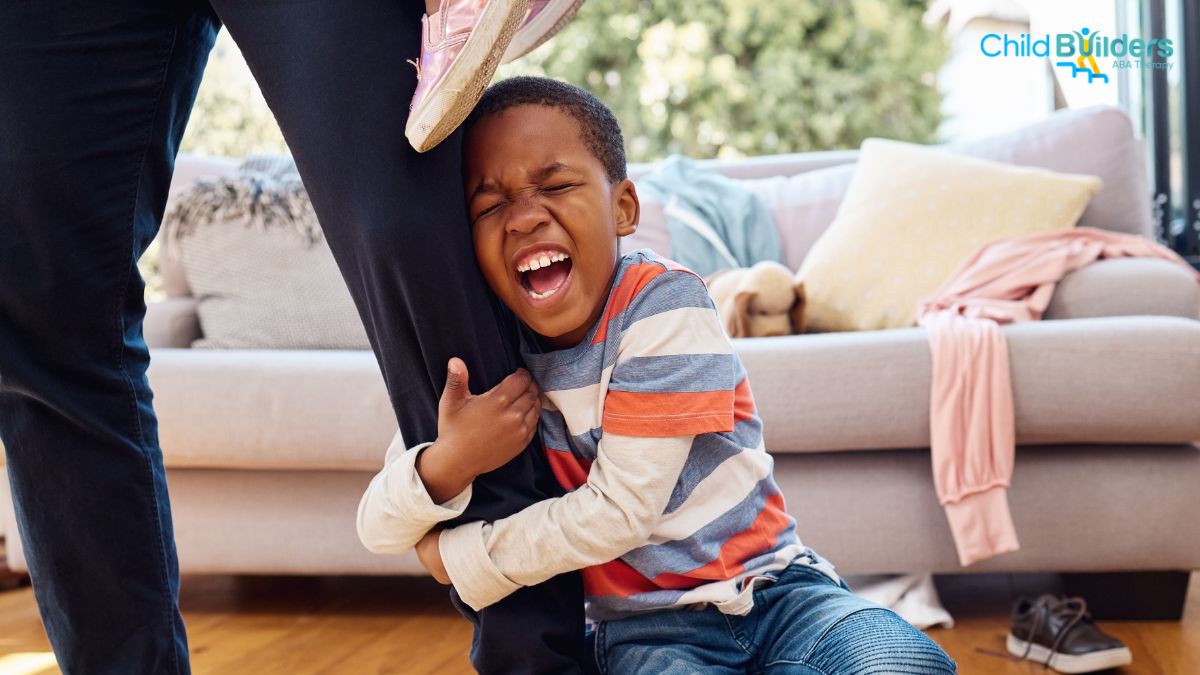
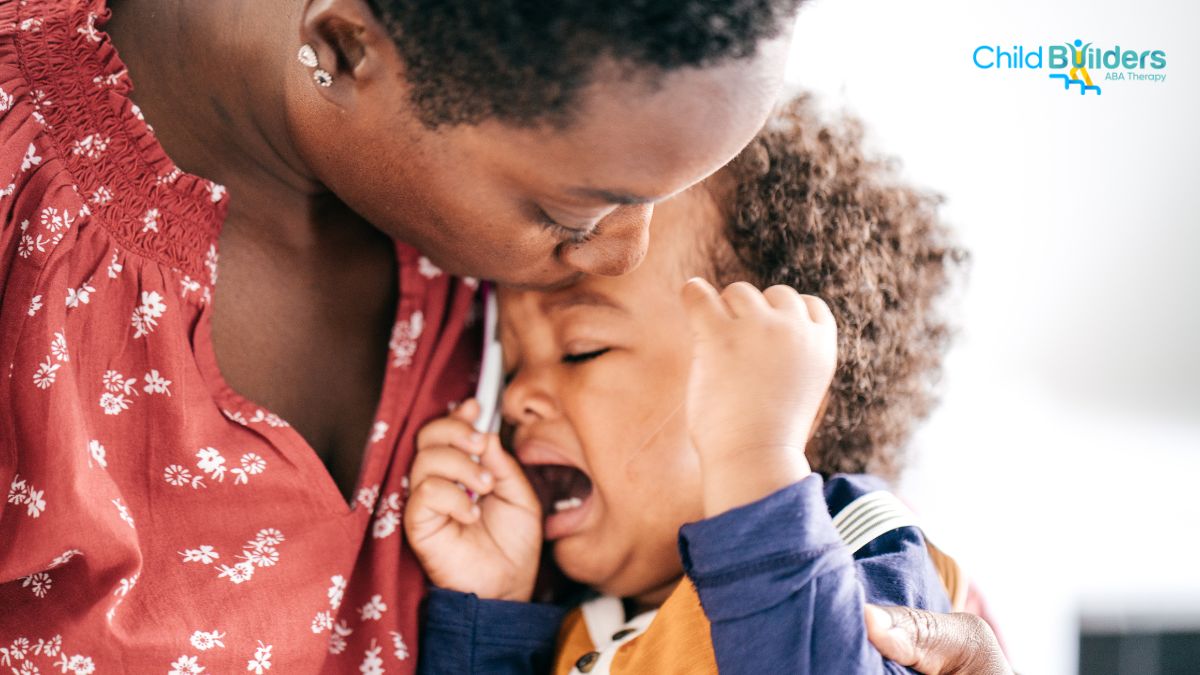
Parents of emotionally intense kids often see the same pattern: everyone is tired, one small change happens, and suddenly there is yelling, slamming of doors, or a child curled up on the floor. For many families, challenging behaviors in children show up right when they hope for rest and connection.
Across the United States, more than 20% of children ages 3–17 have at least one diagnosed mental, emotional, developmental, or behavioral condition. Community studies in different countries also find emotional and behavioral problems in roughly 14–20% of children and teens.
You are far from alone if your child’s reactions seem big, fast, or hard to predict. The ideas below outline seven practical ways to support emotional regulation at home, making daily life feel more manageable.

1. Reframe Challenging Behaviors in Children as Communication
Many challenging behaviors in children make more sense when you see them as messages, not just “acting out.” Shouting, refusing to move, throwing things, or shutting down usually signal that something in the moment feels too big, too fast, or too confusing.
Studies in community samples show that emotional and behavioral problems affect around 14% of children and nearly 20% of adolescents, which means many kids struggle with how to show big feelings safely.
When you notice a pattern, it helps to pause and ask:
- What is my child trying to get or avoid right now
- Is there a feeling or body sensation that seems too strong
- Is the request unclear, too fast, or too hard for today
This kind of lens keeps the focus on emotional regulation and problem-solving instead of blame. It does not excuse harmful behavior, but it reminds everyone that behind most outbursts is a child who does not yet have the words, skills, or tools to handle what they feel.
2. Shape the Home Environment To Reduce Stress Triggers
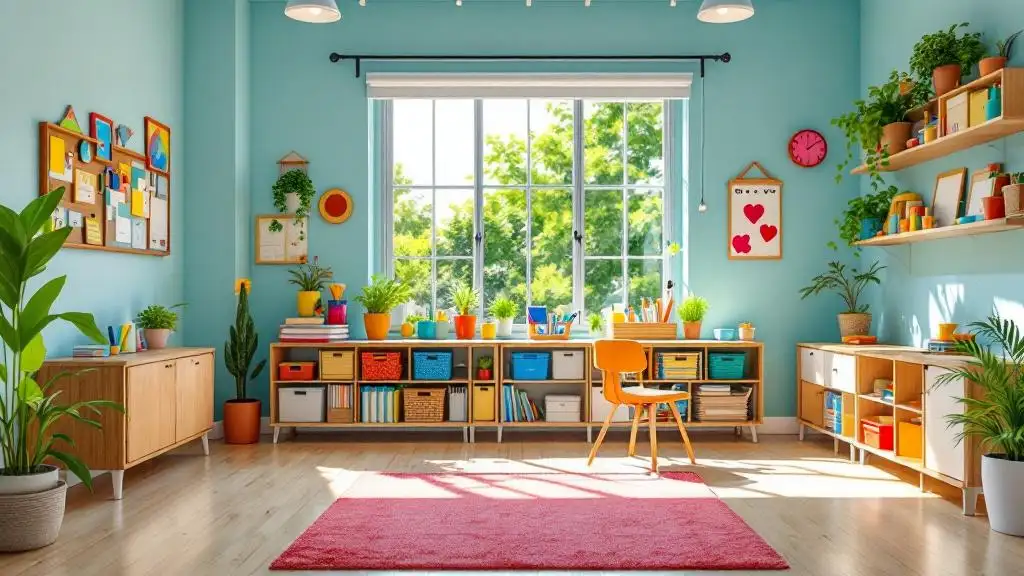
Home can feel safe, but it can also be full of triggers: sudden noises, crowded spaces, rushed transitions, screen time, and sibling conflicts. A few small environmental changes can reduce overall stress and give kids a better chance to stay regulated.
You can start with simple shifts like:
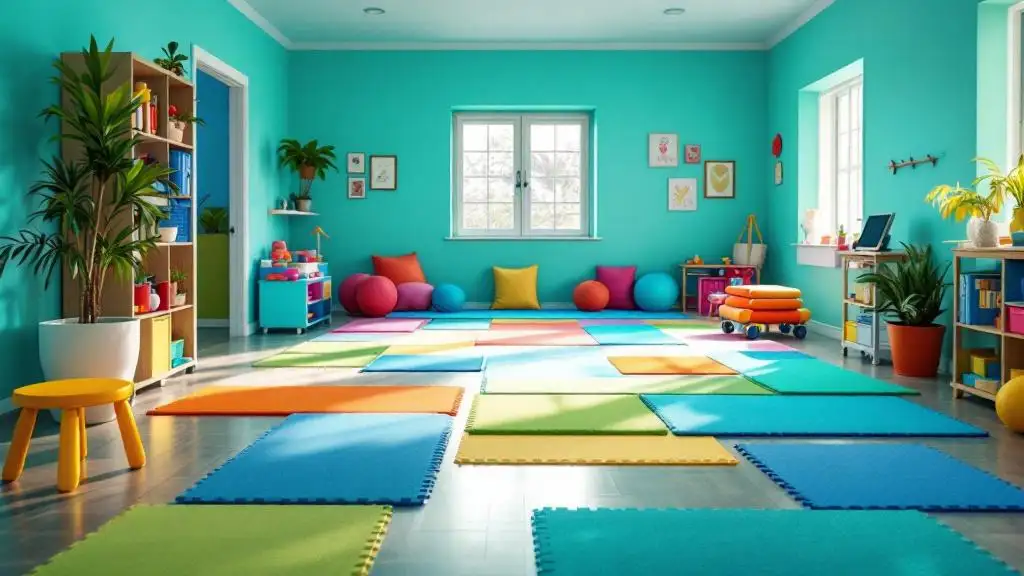
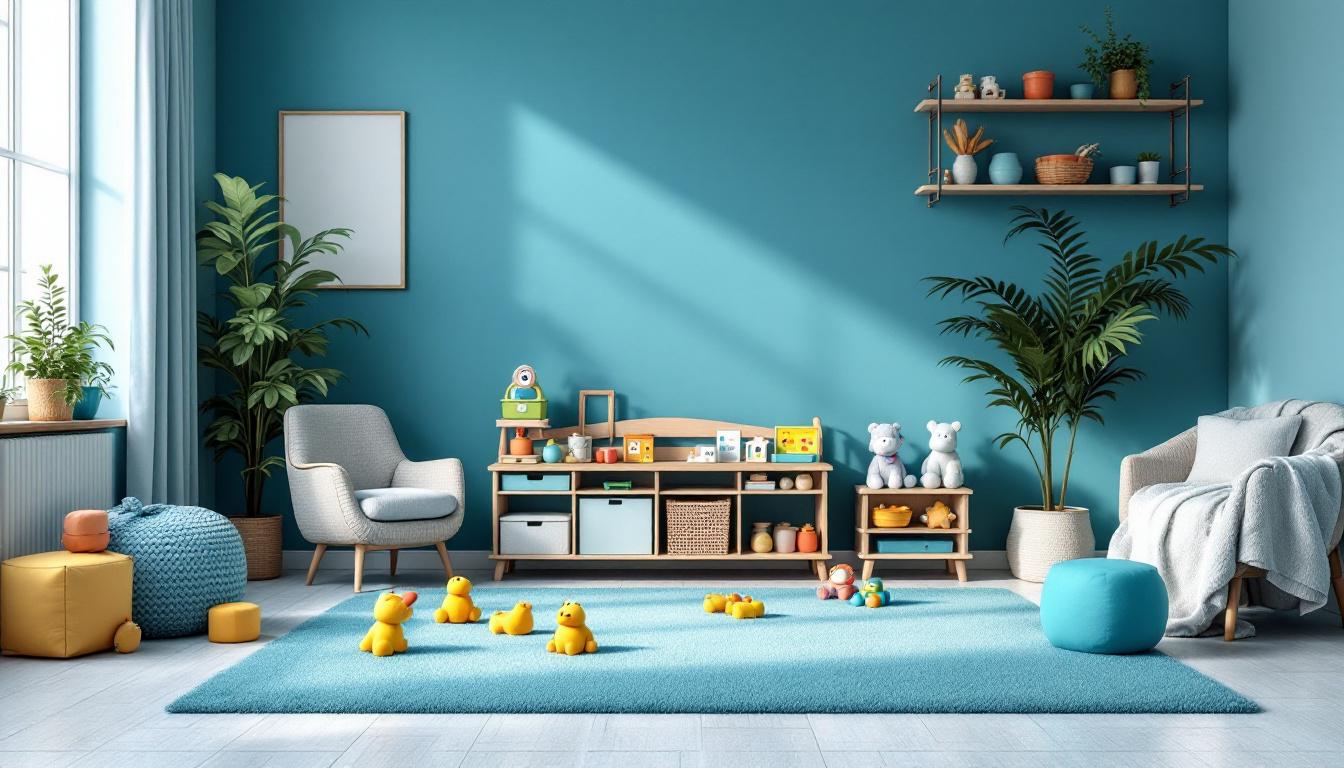
- Create a calm space: Set up a quiet corner with a soft chair, gentle light, and a few preferred sensory tools or toys.
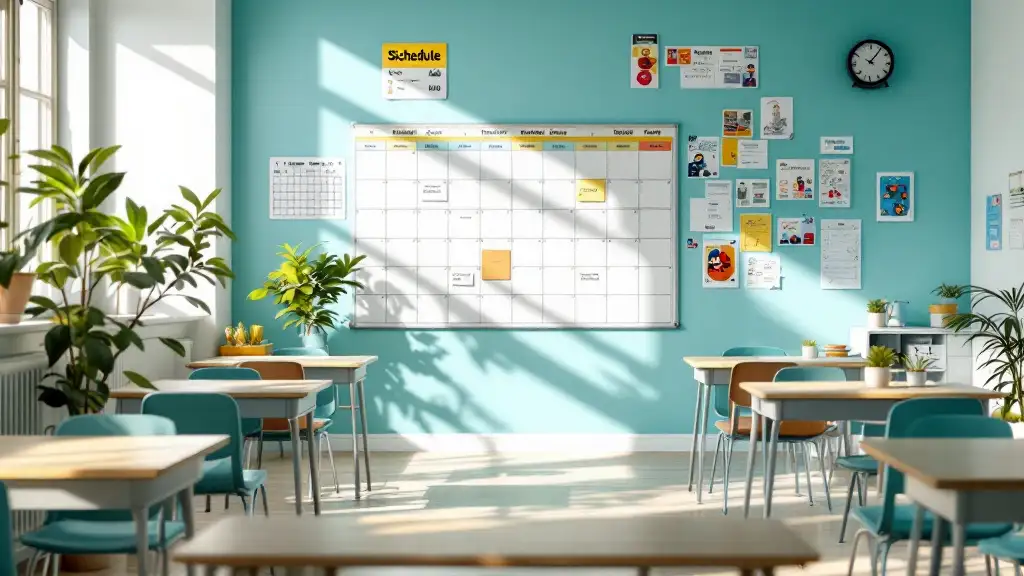
- Use simple visual schedules: A picture or written list of morning, after-school, and bedtime steps can reduce arguments about “what’s next.”
- Plan for tricky times: If late afternoons or outings are usually rough, build in short movement breaks, snacks, or quiet time before you leave.
Recent research on bedtime routines found that children with consistent early bedtime habits were better able to regulate their emotions at age three and had fewer behavior problems later in childhood.
These routines make challenging behaviors in early childhood less likely to escalate because the day feels more predictable. When structure is paired with warm, flexible responses, home behavior strategies become easier for everyone to follow.
3. Teach Emotional Regulation Skills in Calm Moments
Many children hear “calm down,” but they do not yet know what that looks like for their bodies. Emotion words, coping skills, and self-awareness grow with practice, and some kids need more direct teaching and repetition to build these tools.
Teaching works best when your child is already calm. You can:
- Use visual feelings scales: Show faces or colors that match “okay,” “a little upset,” and “about to explode,” and practice pointing to them in low-stress moments.
- Match feelings to actions: Help your child link “too loud” with headphones, “too mad” with squeezing a pillow, and “too worried” with slow belly breaths.
- Practice short drills: Role-play scenarios like “someone takes your toy,” rehearse asking for help or walking away, and then praise the effort.
Large studies of child mental health show that around 8% of children ages 3–17 have a diagnosed behavior disorder, often alongside anxiety or mood symptoms. Teaching coping skills early gives children more options than shouting, running off, or shutting down when stress hits. Every small step forward is worth noticing and reinforcing.
4. Prepare a Plan for Meltdowns and Aggressive Episodes
Even with good routines and teaching, spikes will still happen. Meltdowns often come when the nervous system is overloaded, and reasoning is offline. In those moments, the goal is safety, calm, and riding out the wave until your child can come back down.
Aggressive episodes, like hitting, kicking, biting, or throwing, can rise quickly when a child feels trapped, scared, or misunderstood. Having a simple plan helps you act faster and feel less frozen.
A crisis plan might include:
- Safety steps: Move breakable items, guide siblings to another room, and gently block hits or bites when it's safe to do so.
- Short, steady phrases: Use simple lines like “You are safe” or “I am here” instead of long lectures that are hard to process.
- Sensory reset: Turn down lights, reduce noise, and limit the number of people in the room until your child starts to settle.
Later, when everyone is calm, you can talk briefly about what happened and one idea to try next time. Over time, this kind of plan helps with what are challenging behaviours because you start to see early warning signs, not just the explosion at the end.
5. Respond Thoughtfully to Repetitive or Self-Stimulatory Behavior
Many children use repetitive movements or sounds to cope with strong feelings or sensory overload. This might look like rocking, pacing, tapping, humming, or spinning objects. These self-stimulatory behaviors can help some kids feel calmer or more focused, even if they look unusual to adults.
Instead of trying to stop every repetitive action, it helps to sort them into three groups:
- Safe and helpful: Gentle rocking, hand movements, or quiet humming that do not hurt anyone can usually be allowed.
- Disruptive but safe: Loud vocal sounds or constant tapping may require a different space or a “quiet time” plan when others need to concentrate.
- Unsafe: Actions like head banging or skin biting require prompt protection and support from professionals to develop safer replacement behaviors.
When you treat self-stimulatory behavior as information, you can adjust the environment, offer breaks, or add sensory tools rather than simply saying “stop.” This protects your child’s coping strategies while still maintaining clear limits on safety.
6. Use Positive Behavior Support in Everyday Routines
Challenging behavior often shows up in the same parts of the day: getting dressed, turning off screens, cleaning up, or going to bed. Positive behavior support is a way of planning routines, so children know what is expected and see real reasons to cooperate.
You can build this into home life with a few simple steps:
- Set clear, short rules: Phrases like “gentle hands,” “walking feet,” and “kind words” are easier to follow than long lectures.
- Show what “doing it right” looks like: Model how to ask for help or take turns, then have your child practice it with you.
- Reinforce the behavior you want: Notice and praise when your child follows directions, uses a coping skill, or tries a new step, even if it is not perfect.
A recent systematic review found a clear link between higher parental stress and more emotional and behavioral problems in children across multiple long-term studies.
Positive behavior support reduces daily conflict, which often lowers stress on both sides. These same ideas apply when families ask how to address challenging behaviors in preschool, because school routines also depend on clear rules, modeling, and meaningful rewards.
7. Work With ABA Providers as Needs Change Over Time
Families carry a lot on their own, but they do not have to solve every challenge alone. Many children with ongoing behavior struggles benefit from ABA services that focus on communication, play, flexibility, and safer behavior in real-life settings.
National survey data from 2022 show that over 1 in 4 U.S. children ages 3–17 have a current mental, emotional, developmental, or behavioral condition. As children grow and expectations change, behavior plans often need fresh eyes and updated goals.
Families in New England may look for Rhode Island ABA behavior support or Massachusetts behavior management services that offer a mix of direct therapy and parent coaching. A good ABA team can:
- Review patterns in challenging behaviors in children
- Design practical home strategies that fit your routines
- Adjust goals as your child moves from early childhood into later school years
When providers share data in simple charts and stories, caregivers can see which strategies reduce crises, which replacement skills are growing, and where plans need to change. That kind of partnership can make a home feel more predictable and hopeful for everyone.
What Are the Signs That Your Child’s Behavior Needs Extra Help?
Some days will be hard, even in a well-supported home. Still, certain signs suggest it is time to reach out to medical or mental health providers, along with ABA.
Watch for:
- Sudden jumps in aggression, self-injury, withdrawal, or sleeplessness
- Behaviors that put your child or others at risk, such as running toward roads or severe self-harm
- Loss of skills your child once had, like speech, play, or toileting
- Daily life that feels like a constant crisis for you or your child
National and international studies suggest that between 10% and 20% of children experience emotional and behavioral problems that affect daily life, which means these struggles are common and serious enough to deserve attention.
FAQs About Emotional Regulation and Behavior Challenges
What are the red flags in children's behavior?
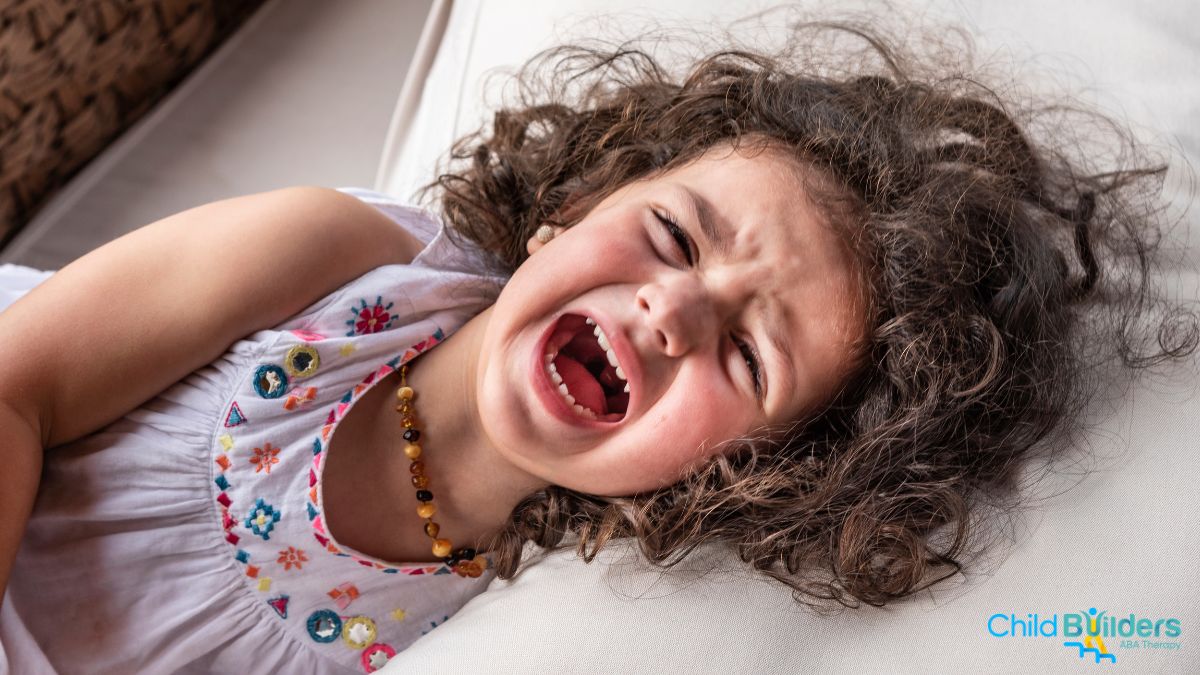
Red flags in children's behavior include frequent explosive outbursts, severe mood swings, self-harm, strong withdrawal, or a sharp drop in school performance. Sudden changes in sleep, appetite, or talk about death also signal the need for immediate attention and professional support.
Do young children just “grow out of” behavior challenges?
Young children do not always “grow out of” behavior challenges. While some improve with age, persistent, intense, or disruptive behaviors often continue without support. Early intervention gives children more time to build skills and reduces the risk of long-term problems.
What professional support options are available for challenging behaviours?
Professional support options for challenging behaviors include pediatricians, child psychologists, and ABA providers. Interventions may involve behavior therapy, parent coaching, skill-building programs, or medication when needed. Combining home support with structured sessions often leads to stronger and more lasting progress.
Get Support for Behavior and Emotional Regulation at Home
Living with frequent outbursts, tense evenings, and unpredictable reactions can wear down even the most patient family. Challenging behaviors in children are common, but they do not have to shape every moment at home. ABA therapy services in Rhode Island, New Hampshire, and Massachusetts can focus on safer behavior, stronger communication, and emotional regulation that fit real family routines.
At ChildBuilders, we use evidence-based strategies and warm, practical coaching to help families understand what behaviors are telling them and how to respond in ways that support growth. We work alongside caregivers so plans feel realistic in your kitchen, your car, and your bedtime routine, not just on paper.
If you are ready to see what thoughtful behavior support could look like for your child, reach out to us today to schedule a conversation and learn how our team can help your home feel calmer and more connected.




















.jpg)