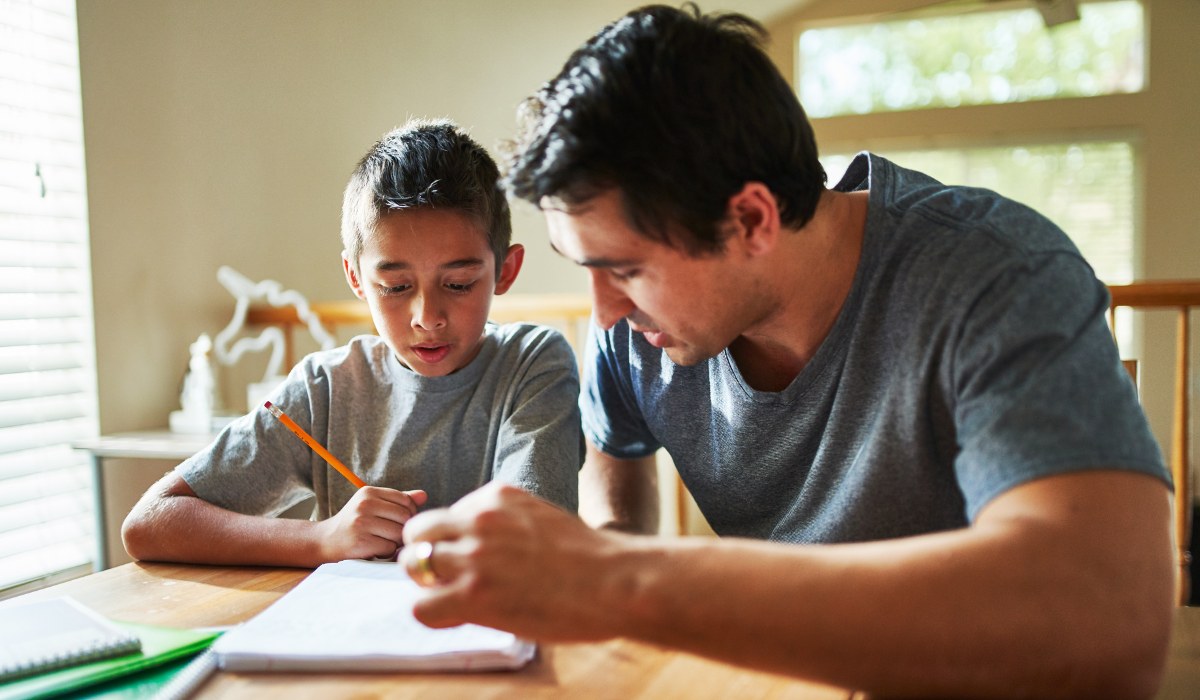
What a Child May Do During an ABA Therapy Session

Key Points:
- What happens in an ABA therapy session typically includes a greeting, warm-up activity, skill practice through play or daily routines, and breaks throughout.
- Sessions are led by an RBT with BCBA oversight, focusing on communication, transitions, and practical skills.
- Each visit adapts to the child's energy and current goals that day.
Many caregivers feel unsure before a child’s first session. You may wonder what the room looks like, what your child will do, or how long each part lasts. The truth is, no two sessions look exactly alike. One day might focus more on communication. Another may spend more time on transitions or play.
What happens in an ABA therapy session often feels less formal than many people expect. It may include play, short learning moments, breaks, and quick updates along the way. The flow can change from day to day, but most sessions follow a simple rhythm that helps the child stay involved while the team works on current goals.

What Happens In an ABA Therapy Session From Start to Finish
A typical ABA therapy session often follows a simple routine, not a rigid script. The order may change, but many sessions include:
- Greeting and check-in
- Warm-up or preferred activity
- Skill practice
- Breaks and transitions
- Notes and caregiver update
That simple flow can help caregivers picture the session more clearly, especially when starting ABA therapy. It also shows why one day may feel playful and easy, while another may spend more time on transitions, communication, or waiting.
The First Few Minutes Often Set the Tone
The first few minutes are often quieter than you might expect. The therapist may greet the child, notice how the child seems that day, and watch for small signs like energy level, mood, or how easily the child joins an activity.
A caregiver may also share a quick update, such as poor sleep, a change in routine, or a hard morning. That short check-in can shape the rest of the visit.
A warm-up may include a favorite toy, a familiar game, or an easy task the child already knows. That kind of start can help the child settle in before moving to harder tasks. At ChildBuilders, our home-based sessions are one-on-one visits led by a trained RBT, with BCBA guidance and regular caregiver updates.
What a Child May Work On During the Main Part of the Session
The middle of the session is often where most ABA session activities happen. Even then, it may not look like constant table work. A lot of practice can happen during play, daily routines, or short back-and-forth moments at home.
A child may practice:
- Asking for help
- Asking for a break
- Requesting a favorite item
- Taking turns
- Following simple directions
- Waiting briefly
- Transition from one activity to another
- Playing in a more flexible way
Some goals may be worked on in the living room, while others may come up during snack time, cleanup, or moving from one activity to the next. The therapist usually looks for chances to practice functional communication at home in ways that feel natural, simple, and easy to use again later.
Some Sessions Mix Play, Practice, and Breaks
Sessions are rarely one long block of demands. Most children do better when practice is broken into smaller parts.
A therapist may move between:
- Short practice time
- Play or movement breaks
- A favorite activity
- Another quick teaching moment
That rhythm helps your child stay involved without feeling pushed too hard. It also lets the therapist practice the same goal in different ways. Your child might ask for help during a game, then again during cleanup, then again at snack time. The goal stays the same, but the activities changes.
That's why sessions often look more relaxed than you'd expect. A lot of the work happens in short, steady moments rather than one long stretch.
Data Collection May Be Quiet, but It Is a Big Part of the Session
At ChildBuilders, during each session, your child’s therapist tracks progress by collecting data, which is a structured way of recording how your child is doing. Instead of relying on memory or general impressions, we use objective information to understand which skills are improving and where extra support may be needed.
What Does This Look Like During a Session?
As your child works on different skills, the therapist observes and collects data for the programs created by the BCBA. This may include things such as how often your child uses a new word or communication skill, whether your child can complete a task independently or needs help, and any challenging behaviors, including when they happen and what may have caused them.
This is usually done in real time using a phone, tablet, or computer and is designed to be quick so the therapist can stay engaged with your child. Data collection is an integral part of our services and helps the care team:
- See clear patterns in your child’s progress
- Make informed decisions about what to teach next
- Adjust strategies if something is not working
- Make sure your child is making meaningful, measurable progress

What Happens With the Data?
Your BCBA regularly reviews this information to update goals and teaching strategies, share progress with you in a clear and transparent way, and make sure therapy is effective and individualized to your child.
Who Leads the Session and Who Oversees It
When you start home-based therapy, you’ll usually work with two main professionals. Here is a quick breakdown of who does what and how they support your child:
The Registered Behavior Technician (RBT)
Think of the RBT as your child’s direct support. They are there for most visits to:
- Run the actual sessions and practice specific goals.
- Take notes and track progress in real-time.
- Adjust their approach based on how your child is feeling that day.
The BCBA (Board Certified Behavior Analyst)
The BCBA serves as the clinical supervisor responsible for the design, oversight, and data-driven decision-making of treatment goals and targets. At ChildBuilders, our BCBAs provide the clinical guidance the RBT needs to succeed.
Their role involves:
- Creating and updating the therapy goals
- Reviewing data to ensure your child is making progress
- Supervising the RBT and providing caregiver consultation and training
Current BACB rules require that an RBT receive ongoing supervision for at least 5% of the hours spent providing behavior-analytic services each calendar month. The same handbook also says supervision must include at least two face-to-face, real-time contacts each month, and in at least one of those meetings, the supervisor must observe service delivery.
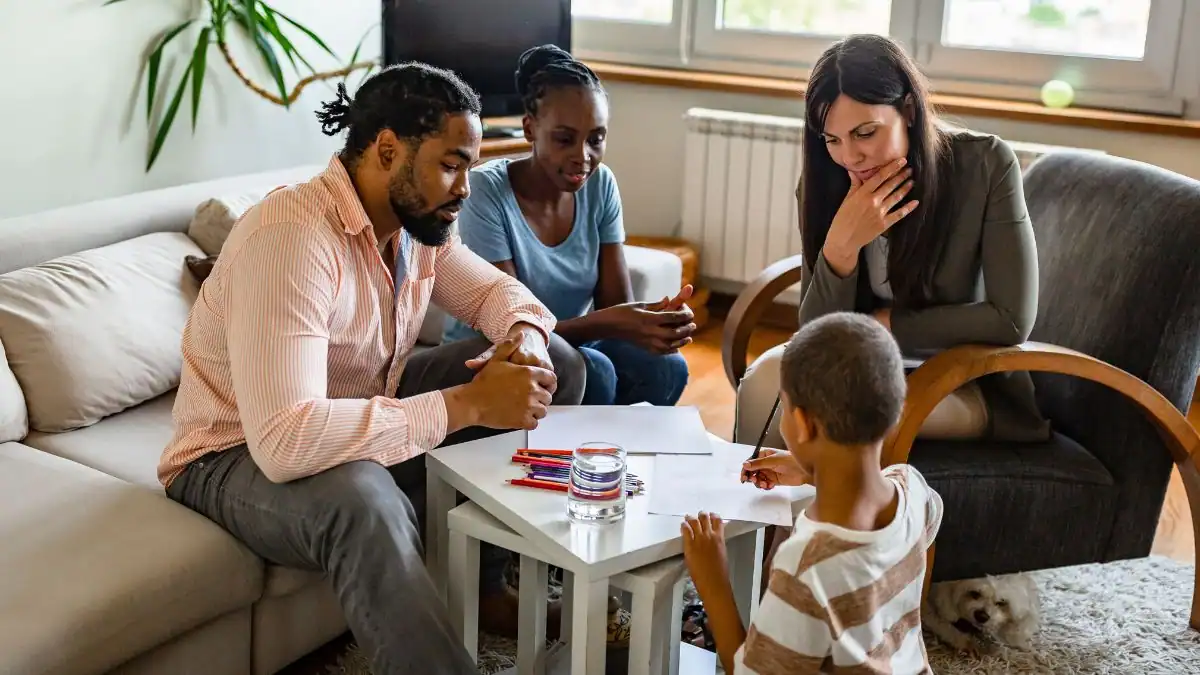
Caregivers are also an important part of the process. They may share updates, ask questions, hear what the team is working on, and use simple ideas from sessions in daily routines when it makes sense.
Why Session Length and Structure Matter
ABA uses consistent structure and repetitive session formats to promote effective learning and skill generalization. Predictability helps clients understand expectations, reduce anxiety, and increase engagement, while repetition allows for sufficient practice to build, strengthen, and maintain new skills.
Consistent session length ensures adequate opportunities for instruction, reinforcement, and data collection, supporting measurable progress and informed clinical decision-making.
Practice guidelines indicate that focused ABA treatment is typically characterized by a lower intensity of direct service of 10–25 hours per week and targets specific skill acquisition or behavior reduction goals.
In contrast, comprehensive ABA treatment involves a higher intensity of direct service of 30–40 hours per week and addresses multiple developmental domains, such as communication, social, adaptive, and behavior reduction.
What Caregivers May Notice at the End of a Session
The end of a session is a great time to touch base and see how everything went. A therapist may give a quick recap of what went well, what felt hard, and what the team wants to keep an eye on.
That update may include:
- A small win from the session
- A goal that needed more support
- A pattern the team noticed

FAQs About What Happens In an ABA Therapy Session
What if my child does not want to join the session right away?
Some children need time to warm up before they are ready to take part. A therapist may start with a preferred toy, a familiar routine, or a simple interaction to help the child feel more comfortable. That slower start is common and can give the team useful information about what helps the child settle in and engage.
Can caregivers watch an ABA therapy session?
Caregivers can often watch at least part of an ABA therapy session when it supports learning and communication. Caregiver involvement may include observing sessions, meeting with the behavior analyst, using skills in daily routines at home, and reviewing progress. The exact setup may change based on the child, the setting, and current goals.
What if my child has trouble with one part of the session?
That can happen, and it does not always mean the session went badly. A child may do well with one activity but struggle with waiting, transitions, or a new task. The therapist can adjust the pace, give more support, or break the skill into smaller steps so the child can keep working without too much pressure.
Make ABA Sessions Feel Less Unfamiliar
ABA sessions often include a mix of connection, practice, breaks, and review, and they may look different from day to day for good reasons. A child may be learning during play, a short routine, or a brief moment that seems simple from the outside.
At ChildBuilders, we provide one-on-one home-based ABA with RBT-led sessions, BCBA guidance, and caregiver support for families in Rhode Island and Massachusetts. We can talk through what your child's sessions may look like and answer your questions to help you understand the next step.
Reach out to our team to learn more.
























.jpg)