What Does ABA Progress by Age Look Like for Your Child? Age-Appropriate Goals from Preschool Through the Teen Years

Key Points:
- ABA progress by age for your child means skills growing with each stage, from preschool through the teen years.
- Preschool progress focuses on communication, play, and simple routines, while school-age and teen years emphasize classroom participation, organization, coping, self-advocacy, and safer independence.
- Consistent goals, adequate hours, and caregiver practice drive meaningful change.
Big decisions about therapy feel even harder when you cannot picture what change might look like in a year or two. You might hear about “starting early,” “being consistent,” or “doing enough hours,” yet still wonder what progress actually means for a preschooler compared with a teen.
The ideas below give a grounded look at how goals often change from preschool through the teen years, how teams track adjustments, and how individualized ABA therapy can support growth without needing special equipment or a large therapy space.

What Does “ABA Progress by Age” Really Mean?
When people talk about ABA progress by age, they usually mean how targets adjust as a child’s world changes from early play and routines to school demands and later teenage responsibilities.
Most ABA programs focus on:
- Communication that works in real situations
- Daily routines, such as getting dressed or following simple steps
- Play and learning skills that match age and school expectations
- Ways to reduce behaviors that get in the way of safety or participation
Meta-analyses of early intensive behavioral intervention show that structured, behavior-based programs can lead to moderate to large gains in adaptive skills and intellectual functioning for many young children who receive them.
As children grow, goals change, but the core question stays the same: Are skills becoming more useful and more independent in everyday settings?
Preschool Years: Early Childhood Goals and Wins
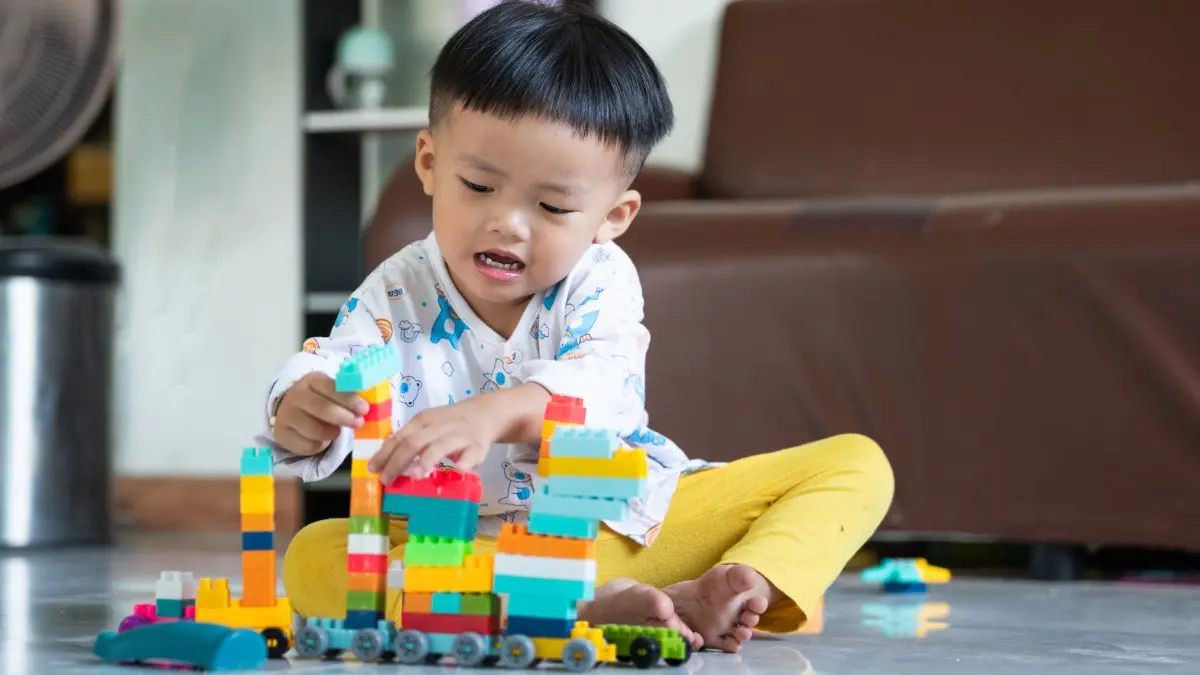
Preschool is often when caregivers first hear about ABA. At this age, the main focus is on laying the foundations for communication, play, and simple routines rather than pushing advanced academics.
Common goals in the early years include:
- Responding to name and simple directions
- Using gestures, pictures, signs, or words to ask for basic needs
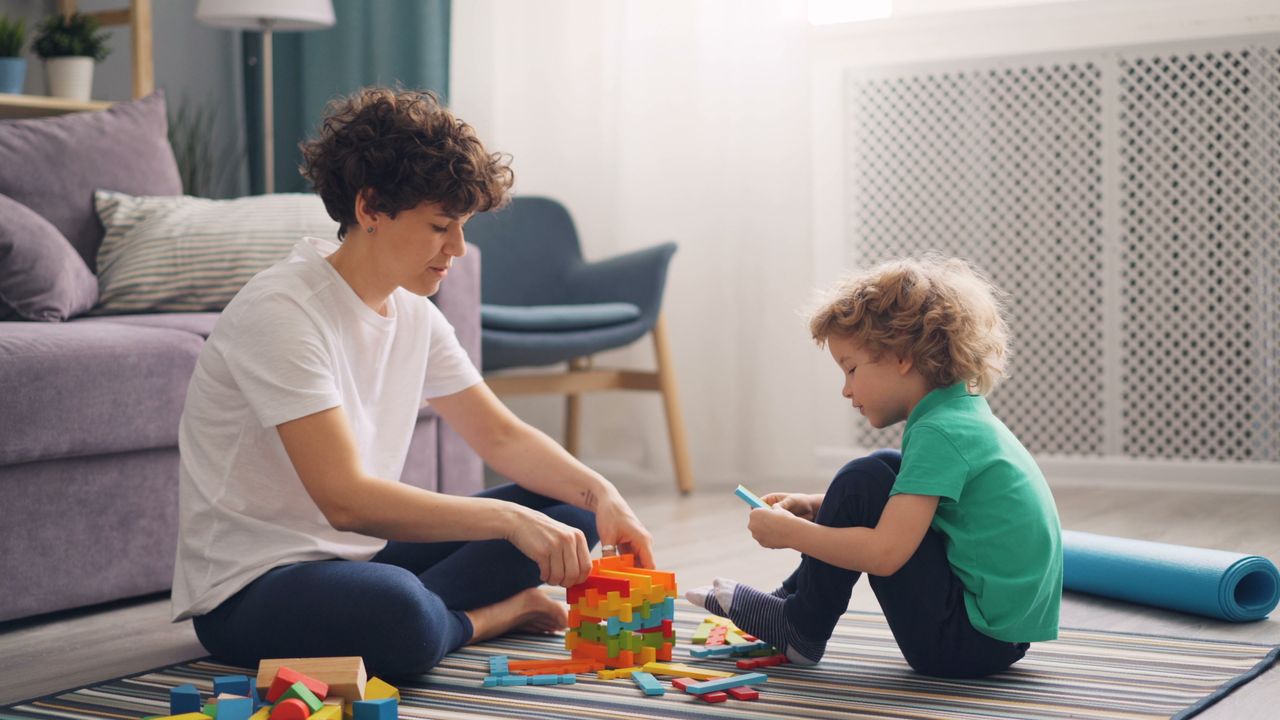
- Taking turns with an adult during short play activities
- Joining brief group moments, such as circle time or snack
In day-to-day life, progress at this stage may look like:
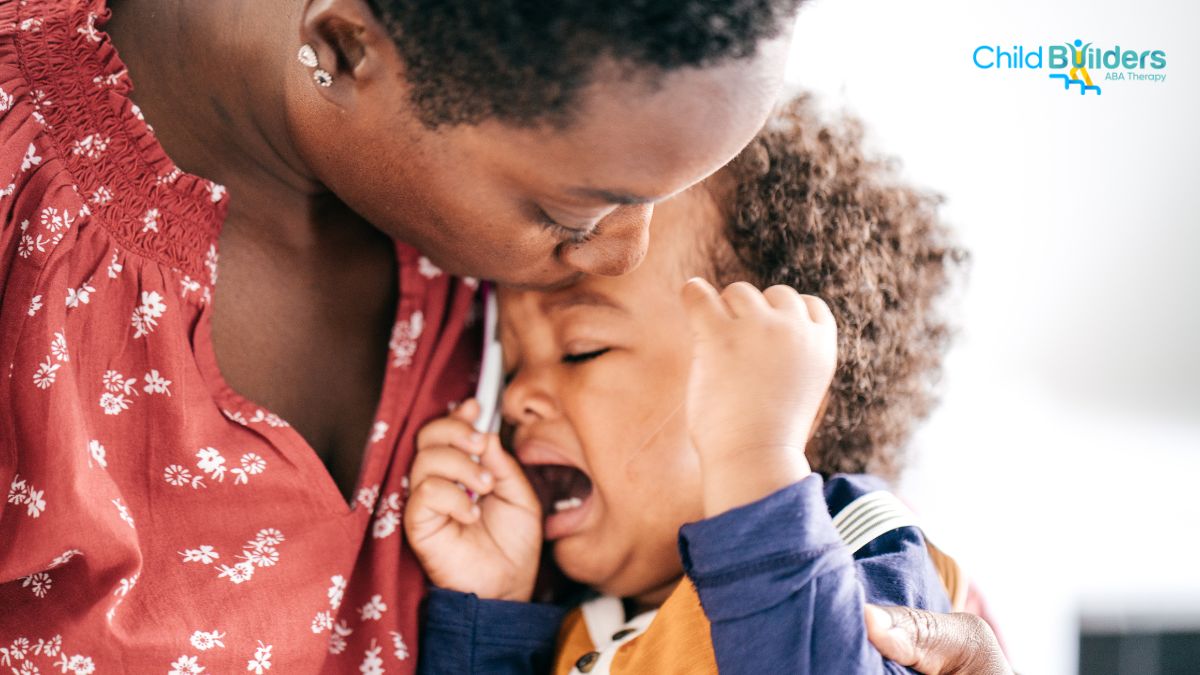
- More attempts to communicate before crying, dropping to the floor, or running away
- Longer stretches of shared activities, even if just for a short game or a favorite song
- Smoother transitions into routines such as getting dressed, going to daycare, or leaving the playground
ABA progress by age in preschool is less about “catching up” to a chart and more about helping children connect with the people and activities around them in small but important ways.
Early School-Age: Building Skills for the Classroom
Once a child reaches the early elementary years, the environment changes. Expectations shift toward group learning, longer tasks, and more peer contact. ABA targets and school-based support adjust to match that reality.
In this age range, teams may focus on:
- Following multi-step directions in a busy classroom
- Waiting for a turn and sharing space with peers
- Beginning academic readiness, such as letter and number recognition
- Using functional communication to ask for help or a break
Research on behavioral programs for school-age children has found that intensity, duration, caregiver training, and starting age all relate to better outcomes across several developmental areas.
Caregivers might notice progress in ways like:
- Fewer interruptions during class-like activities at home or in community programs
- More success finishing a short list of steps, such as “put backpack away, sit down, start worksheet”
- Early problem-solving with peers, including in social skills groups, may look like asking an adult for help rather than pushing or leaving
Even when the child does not receive services inside the school building, goals often support skills that help in classrooms, after-school programs, or homework time.
Later School-Age: Handling Bigger Demands
Around ages 10 to 12, daily life asks more of children. There are more subjects to juggle, bigger projects, and stronger feelings about friendships and fairness. ABA goals often start to include organization and self-management alongside behavior and communication.
Targets at this stage may include:
- Using a simple planner or checklist with prompts
- Starting homework with less delay after a cue
- Breaking larger tasks into smaller parts and returning to them over several days
- Naming feelings and using at least one coping strategy taught in sessions
Studies on treatment intensity show that more hours are often linked with more mastered goals across domains such as language, adaptive skills, and social behavior, especially when started earlier.
In real life, progress might show up as:
- Fewer meltdowns tied to changes in assignments or schedules
- Slightly more independence with chores or self-care steps that match age
- Better ability to explain to an adult what feels hard instead of showing it only through behavior
These are still small, everyday shifts, yet they can make school and home routines feel more manageable for everyone involved.
Teen Years: Supporting Growing Independence
The teen years bring new challenges: stronger emotions, social pressure, online life, and early questions about work or further education. ABA at this age often emphasizes self-advocacy, emotional regulation, and safer decision-making rather than basic skill teaching.
Goals for adolescents may involve:
- Practicing how to explain needs, strengths, and supports to teachers or employers
- Learning steps to manage stress, such as taking a short break, using a calming activity, or reaching out to a trusted adult
- Planning simple weekly routines that include school, rest, and preferred activities
- Building safer habits around technology, transportation, and time in the community
Research on early intensive programs often focuses on younger children, but newer analyses that include older children and teens suggest that age and treatment intensity both influence how quickly targets are mastered.
For teens, progress can look like:
- Fewer risky choices in social or online situations
- More moments of pausing and using a taught coping tool instead of reacting immediately
- Small steps toward transition planning, such as exploring interests that could connect to future volunteering, training, or jobs
The pace may feel slower than in early childhood, yet gains at this stage can be powerful for long-term safety and quality of life.

How Can Caregivers Support Progress at Any Age?
Caregiver involvement is one of the strongest supports for ABA outcomes, whether a child is 3 or 15 years old. You do not need special materials to play a key role.
Helpful ways to support progress include:
1. Joining caregiver consultation and training
- Use caregiver coaching meetings to learn the same prompts, reinforcement strategies, and visual supports used in sessions.
2. Practicing skills inside daily routines
- Mealtimes, bath time, time in the car or on the bus, and bedtime all offer chances to practice communication and coping skills.
3. Sharing clear feedback with the team
- Let the BCBA know what feels better or harder at home so goals stay relevant and realistic.
Instead of adding long therapy blocks on top of everything else, many families find that using small strategies during routines they already have is more sustainable and still very meaningful for ABA progress by age.
What If Progress Seems Slow?
There are seasons when data move in the right direction, yet daily life still feels hard. At those times, it helps to know what can influence the pace of change and what questions you can bring back to the team.
Several factors can affect progress:
- Age at which intensive therapy started
- Number of hours per week and consistency of attendance
- Health issues, sleep, and medication changes
- How often strategies are used between sessions
When you feel unsure about the pace, you can ask the BCBA:
- Whether goals still match your child’s current age and daily environment
- How recent data compare with earlier months and the baseline from an ABA assessment
- Which one or two skills to focus on at home to support progress most
Sometimes, slowing down to strengthen a few key skills creates better long-term progress than pushing ahead on a long list of targets.

FAQs About ABA Progress by Age
How many hours of ABA per week are usually recommended?
ABA therapy hours per week are usually recommended at 25 to 40 hours for young children in intensive early intervention programs lasting 1 to 3 years. Older children and teens often receive 5 to 15 hours per week focused on specific goals such as organization, coping skills, or independence.
Does starting ABA earlier always lead to better outcomes?
No, starting ABA earlier does not always guarantee better outcomes, but early intervention increases the chance of larger gains in language, adaptive behavior, and learning skills. Preschool programs of 20–40 hours per week show greater average improvements. Later starts still build safety, independence, and functional skills.
Can ABA goals include mental health or anxiety concerns?
Yes, ABA goals can include mental health or anxiety concerns when they focus on observable coping skills and behavior patterns. ABA can target panic responses, avoidance, emotional outbursts, and stress routines through structured coping plans and data tracking. Collaboration with mental health providers ensures coordinated and comprehensive care.
Connect Age-Appropriate ABA Goals to Real Progress
Progress in ABA across ages is really the story of skills growing along with your child’s world, from first words and turn-taking in preschool to self-advocacy and safer independence in the teen years. When goals, intensity, and caregiver involvement line up, changes in daily life tend to feel steadier and more meaningful.
At ChildBuilders, we provide personalized, evidence-based ABA therapy for children with autism, offering services in Rhode Island and Massachusetts, so support can fit into your child's everyday routines where they already live and learn.
If you are ready to see what age-appropriate goals could look like for your child right now, reach out to us to get started. We can look at your child’s strengths, discuss priorities for the coming year, and build a plan to help your family move toward safer, more manageable days.























.jpg)