Starting ABA Therapy: What Caregivers Can Expect in the First Two Weeks

Key Points:
- Expect the first two weeks of ABA therapy to focus on rapport building, assessment, and creating a consistent schedule rather than rapid behavior change.
- Therapists observe communication, collect baseline data, and introduce short, structured teaching tasks while caregivers begin regular consultation.
- Intensive programs may deliver 20–40 hours per week when medically necessary, with goals adjusted after early progress review.
Starting ABA therapy can feel like stepping into a new world. Schedules change, new people come into your home or your child’s day, and you may worry about how your child will react. Questions about what actually happens in the first days are usually louder than any handout or policy.
The overview below outlines what often happens before the first visit, during the first ABA services, and across the first and second weeks, so you can picture what is ahead and decide how you want to be involved.
Starting ABA Therapy: What Changes in the First Two Weeks?
ABA therapy is a research-based approach that helps children build communication, daily living, and safer behavior skills by teaching one small step at a time.
During the first two weeks, most programs focus on three big goals rather than “big results”:
- Getting to know your child and what helps them feel safe
- Understanding behavior in real routines
- Beginning a realistic ABA therapy schedule that fits family life and insurance approval
Sessions may occur through at-home ABA services, in the community, or in a clinic-style setting, depending on the provider model and what your insurance covers. Early intensive programs for young children often recommend 25-40 hours per week when clinically needed, but focused plans may use fewer hours.
What Happens Before the ABA Therapy First Session?
Before anyone shows up for direct work with your child, there is usually an intake and planning phase. This can feel like a lot of talking and paperwork, but it sets the tone for the first week of ABA therapy experience.
Intake often includes:
- History and concerns. Caregivers share medical history, school reports, behavior challenges, and daily routines.
- Clarifying past assessments. Many children already have a diagnostic evaluation from a neurologist, psychologist, or developmental pediatrician. ABA teams then complete an ABA evaluation focused on service needs and goals, rather than a diagnostic exam.
- Reviewing insurance and hours. The team explains how many hours are authorized, any prior authorizations, and what that means for your weekly plan.
- Goal-setting conversation. Caregivers share priorities such as less aggression, smoother mornings, or more independent play, and the BCBA begins to translate them into observable goals.
Many programs also schedule a separate caregiver consultation and training meeting before or right after the first visit. That time gives you space to ask what the first few sessions will look like and how you will be included.
ABA Therapy First Session: What Can Caregivers Expect?
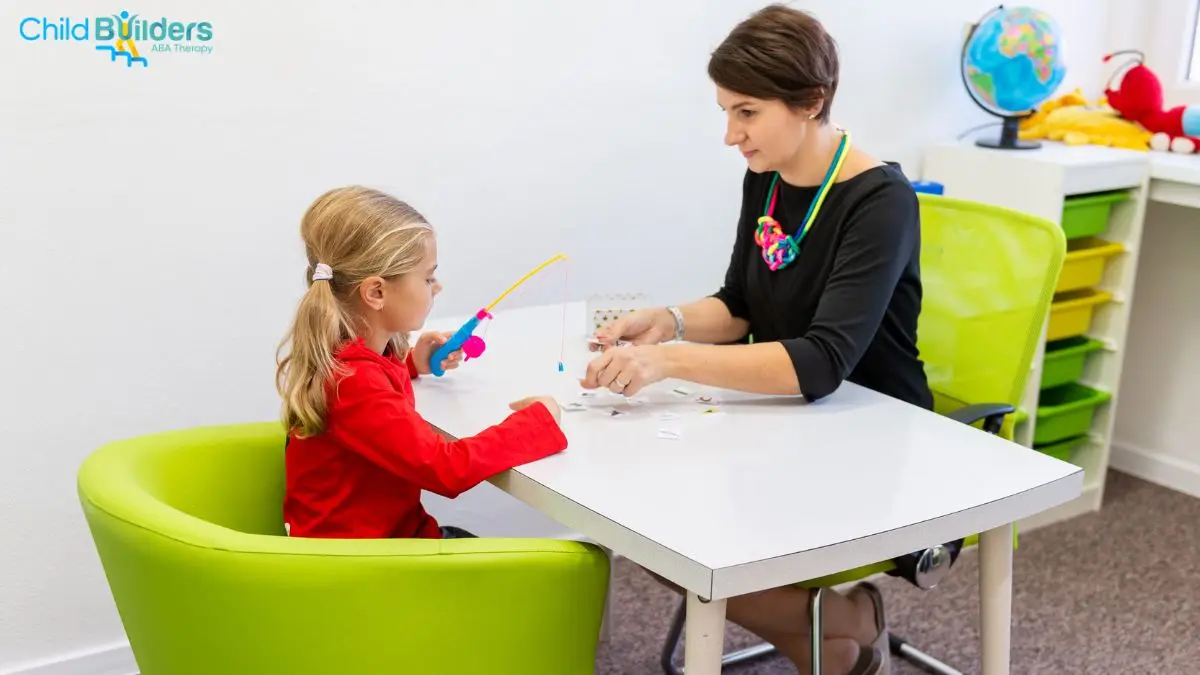
In most programs, the ABA therapy first session is quieter and more flexible than families expect. The first visit usually focuses on:
- Rapport building. The therapist follows your child’s lead with simple play, favorite toys, or everyday routines like snack time.
- Observation. The team watches how your child communicates, responds to directions, and handles changes or waiting.
- Finding motivators. Simple “preference checks” help identify what your child enjoys, from small toys to sensory activities or social praise.
Caregivers may be invited to sit nearby, join in a short activity, or step out if that helps the child stay calm. The team should explain the plan either way and review what happened at the end of the session.
The goal of this first meeting is to lay the groundwork, not to push hard demands. For many children who are new to ABA therapy, feeling safe with the therapist is the most important “target” of day one.
First Week ABA Therapy: How Does a Routine Start to Form?
Once the first visit is complete, the rest of the week reveals what ABA will look like in real life. Sessions may still feel a bit different each day, but a loose structure usually appears.
During the first week, ABA therapy often includes:
- Short teaching blocks. Therapists begin very simple teaching trials, such as matching pictures, pointing to items, or following one-step directions.
- Planned breaks and play. Play and movement are integrated into the schedule to make sessions more bearable and reduce frustration.
- Early behavior strategies. Simple supports appear, such as clear choices, shorter instructions, and planned responses to intense behavior.
Behind the scenes, staff collect data on what works, what triggers big reactions, and which strategies help your child recover. Research on early intensive behavioral intervention shows that consistent, well-planned teaching over time can improve adaptive skills, communication, and learning for many young children.
Caregivers usually begin to see small signs of progress, such as your child warming up faster at the start of sessions or accepting a new routine with less resistance.
Second Week of ABA Therapy: How Do Goals and Caregiver Roles Take Shape?
By week two, the team has enough information to sharpen goals and adjust the plan. Starting ABA therapy becomes less about “trying it out” and more about building a shared roadmap.
You can expect the second week to include:
- Refining goals. The BCBA reviews the first week’s notes and confirms the top priorities in clear, everyday terms, such as “ask for help” or “finish two short tasks before a break.”
- Adjusting intensity. Hours or task difficulty may shift slightly based on how your child handled the first week, while still following what insurance approved.
- Caregiver consultation and training. Regular meetings, often weekly or every other week, start to focus on one or two strategies you can use in daily routines.
Evidence suggests that ABA gains follow a “dose” pattern, where more consistent hours over months lead to greater changes in adaptive behavior and communication for many children.
The second week is a good time to speak up if something in the plan does not feel realistic. Honest feedback helps the team adjust goals and strategies so they match your child and your schedule.

New to ABA Therapy: What Feelings and Questions Are Normal?
Emotions usually run high in the first two weeks. Some caregivers feel relief that help has finally started, while others feel worried, guilty, or unsure whether ABA is “the right thing.”
Common thoughts in families who are new to ABA therapy include:
- “Is my child upset because ABA is harmful or because it is new?”
- “How long before we see any changes?”
- “Am I doing enough between sessions?”
These questions are very common and worth saying out loud. Many children need time to adjust to new adults, expectations, and schedules. When those concerns are shared, the BCBA can help you sort out what is expected short-term stress and what signals that the plan needs changes.
Helpful questions to ask your team in this phase include:
- “What are our top three goals for the next month?”
- “What should I do at home when this behavior happens?”
- “Which signs of progress should I watch for in everyday life?”
How Can Caregivers Support the First Two Weeks of ABA Therapy?
Caregivers do not need special equipment, a big house, or fancy materials to support starting ABA therapy. Small, steady actions make the largest difference.
Simple ways to support these early sessions include:
- Protect the schedule. Keeping session times as consistent as possible helps your child know what to expect and reduces stress.
- Share daily updates. Let the team know about changes in sleep, school events, illness, or big family stressors that might influence behavior.
- Use shared language. Try one or two phrases the team suggests for daily routines at home, such as transitions out the door or ending screen time, so your child hears the same message in sessions and at home.
- Write down patterns. A brief note on when meltdowns or wins occur can provide the BCBA with useful information for fine-tuning strategies.
Early intervention, especially between ages two and three, is linked with better long-term outcomes because children’s brains are still very flexible in those years.
When caregivers and clinicians move in the same direction, those early weeks become a launchpad for the months ahead rather than a confusing trial period.

FAQs About Starting ABA Therapy
How early should I start ABA therapy?
ABA therapy should start as early as possible after diagnosis, ideally between ages 2 and 4. Early intensive programs delivered 20–40 hours per week for 1–2 years show stronger gains in language, cognitive skills, and daily living abilities than usual services. Older children still benefit from adjusted goals.
How much does one hour of ABA cost?
One hour of ABA therapy in the United States typically costs between $65 and $120, depending on the provider's credentials and region. Technician-level services average around $65 per hour, while board-certified or master’s-level providers average about $95 to $120 per hour. Insurance often reduces out-of-pocket costs.
Is 4 years old too late for ABA therapy?
No, 4 years old is not too late for ABA therapy because age four remains within the early intervention window. Early intensive programs serving children ages 2 to 6 show measurable gains in communication, adaptive behavior, and daily living skills after 1–2 years of structured therapy. Age-appropriate goals drive progress.
Turn the First Two Weeks of ABA Therapy Into a Strong Start
Those first sessions can feel like a lot, but they also create the base for calmer routines, clearer expectations, and more chances for your child to practice new skills in real life. When starting ABA therapy, having a clear plan for the first two weeks makes it easier to see progress and speak up about what your family needs.
At ChildBuilders, we provide personalized evidence-based ABA therapy for children with autism. Our team offers services in Rhode Island and Massachusetts to support everyday home, school, and community routines.
You deserve a team that helps you shape those early weeks, rather than leaving you to wonder what comes next. Reach out to us to talk about your child’s goals, how we can structure starting ABA therapy around your schedule, and what our clinicians can do to support your family as those first sessions turn into steady growth.


























.jpg)