ABA Therapy in the Classroom: What Parents Should Know About School-Based Support

ABA therapy in the classroom can involve individualized strategies that help your child communicate, build skills, and participate in school activities. How support works depends on your child's needs and the school's arrangements.
School-based ABA therapy may be available, but access depends on the school and the arrangements involved. School educational services and therapy from an outside provider have different responsibilities, even when professionals coordinate. Not every school offers ABA, and outside providers don't automatically have permission to work there. Start by understanding what support could mean for your child.
Key Takeaways
- Classroom ABA support varies by student, school, and provider; there's no single model.
- School educational services differ from therapy delivered by an outside provider.
- Goals should support meaningful participation while respecting communication, sensory needs, and autonomy.
- Parents can help shape goals, share their child's preferences, and review whether support improves daily school experiences.
What ABA Therapy in the Classroom Can Look Like
How Support May Be Arranged
Applied behavior analysis in the classroom uses observations about learning and behavior to guide individualized teaching. Support may involve classroom consultation, staff coaching, or direct work with a student.
Individualized Education Programs (IEPs) are part of the federal special education framework. An IEP may document eligible educational services, but it doesn't guarantee ABA. Outside therapy requires separate coordination and permissions, and availability varies by school, district, provider, and individual circumstances.
Who May Be Part of a Student's Support Team
Qualified behavior analysts, including BCBAs, may assess needs, develop goals, and supervise support. A behavior technician may practice skills with the student under supervision.
Teachers connect support with instruction and classroom routines. Parents contribute knowledge about communication, interests, and stress signals. Not every arrangement includes every role, and the school team may coordinate behavior strategies while school staff and outside providers have separate responsibilities.
Which Classroom Skills Can Individualized ABA Support Address?
Goals may include academic engagement, social skills, or communication skills. Examples include requesting help, joining a chosen activity, interacting with peers, or managing daily routines. Understanding classroom behavior also means considering task demands, sensory needs, communication access, and accommodations. Task analysis can break a useful activity into manageable steps.
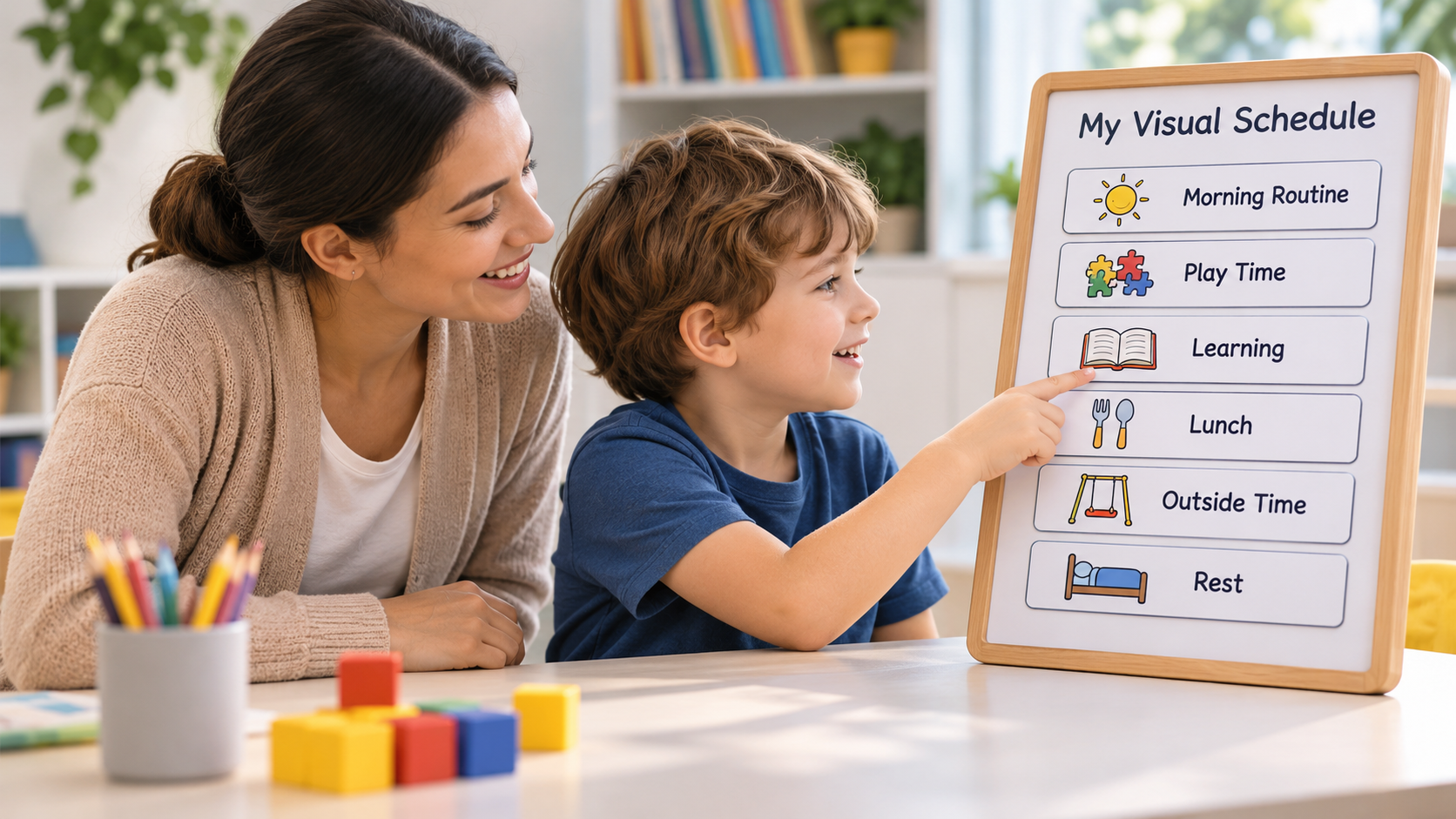
During art, an adult might offer visual supports, such as a choice of materials, and allow time to respond. Visual schedules can show a predictable sequence, while prompting can offer help without overriding the child's response. The child might respond through speech, gestures, or a communication device. The adult can then support a request for help or a break.
Any reinforcement, including positive reinforcement, should be individualized and never depend on compliance, eye contact, or giving up harmless self-regulation. Token economies are optional, not a universal recommendation or a condition for access to essentials. This is one possible example, not a universal plan. Evaluate changes in classroom behavior alongside participation and comfort, and keep goals focused on useful choices and access.
How Parents, Teachers, and ABA Professionals Can Work Together
Parent involvement starts with sharing observations and priorities from both settings. You may notice fatigue after school, while a teacher sees difficulty joining a group. Compare classroom routines and discuss what happens before an activity, what helps, and how your child communicates through words, gestures, or an augmentative and alternative communication (AAC) device. Data collection can record this context and your child's communication.
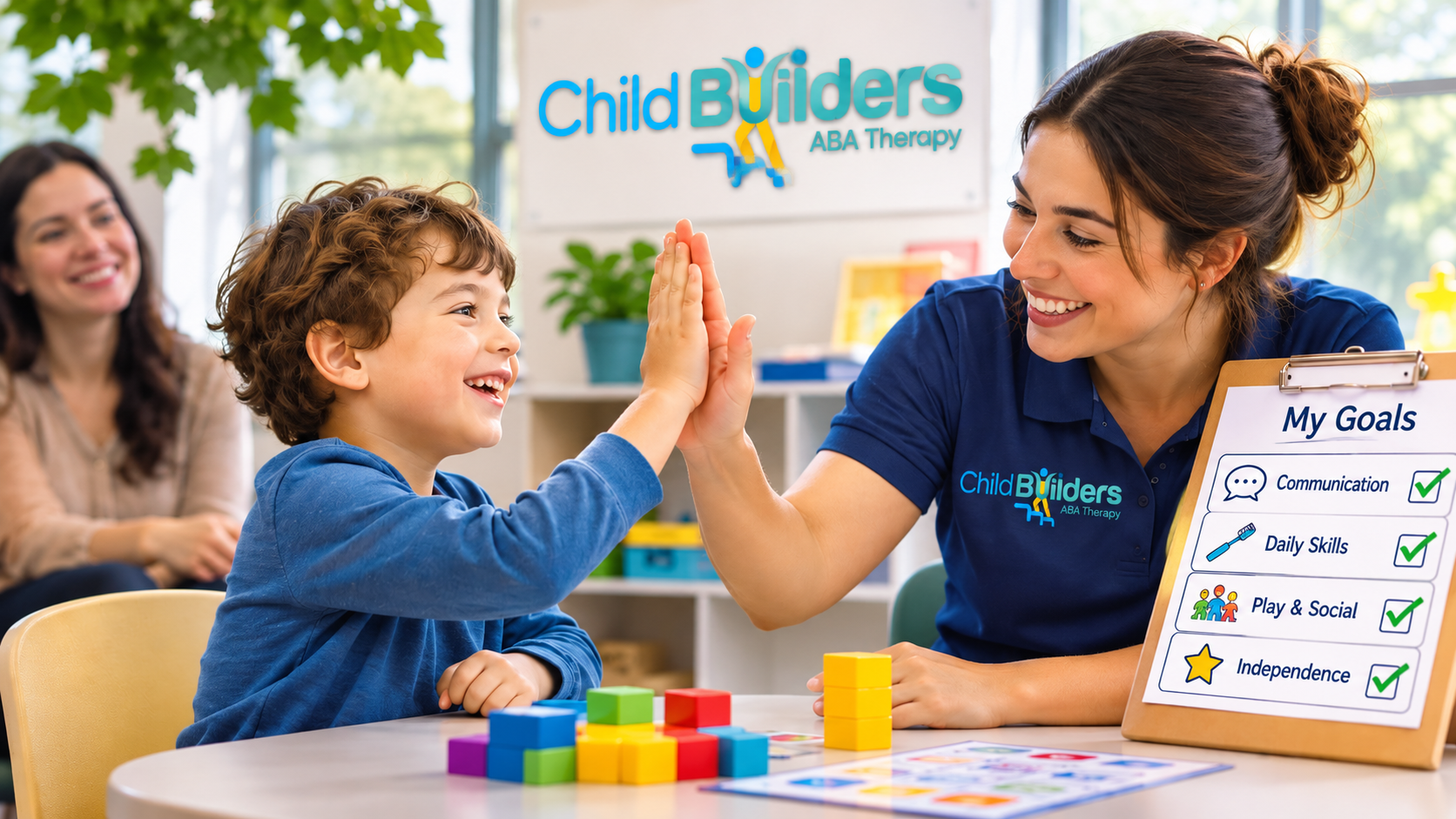
Agree on practical goals and identify who will teach each skill. Parent involvement also includes taking part in goal reviews. At Child Builders ABA, caregiver consultation and coordination of care are part of our services.
Parents can ask:
- Which goals will help my child participate more comfortably?
- How will you support my child's preferred communication method?
- What will you measure, and how will data collection track progress over time?
- How will you recognize my child's preferences and assent, or willingness to participate?
- How will you adjust or fade prompting when appropriate?
- Who on the school team should coordinate updates, and how will we share them?
Measures should reflect what matters to your child and family, such as communicating discomfort or participating with less distress. Behavior frequency alone can't show whether support is useful or respectful.
Include your child's perspective throughout. The Autistic Self Advocacy Network's principles call for autistic people to participate in discussions about autism. Share preferred activities, sensory needs, and signs of discomfort before revising a plan.
How School-Based ABA Support Differs From Home-Based Support
School-based ABA support focuses on skills and participation within school routines. Goals may involve academic engagement during lessons, using classroom materials, or joining activities with peers. Support must fit instruction, classroom demands, and the student's educational needs.
Home-based support may address household routines, play, or communication with family members. Caregivers can practice strategies within familiar activities. Clinic-based ABA has its own routines and demands, which differ from those at school and home.
Neither setting is universally better. Fit depends on goals, access, the child's needs, and how comfortably support fits daily life. Teams may coordinate strategies when useful, but generalization across settings may require adapting supports. Social skills may look different at school than at home. Transitions and classroom routines may need different teaching or accommodations at school. Coordination shouldn't require identical routines everywhere.
Frequently Asked Questions
Does a school need to provide ABA therapy to every student who needs support?
Needing support doesn't mean a school provides a particular therapy. Services vary by school, district, and individual circumstances, and educational support may take forms other than ABA.
Can ABA classroom goals change as my child's needs change?
Yes, families and relevant professionals can review goals as needs, interests, and classroom expectations change. The child's experience and preferences should guide those discussions, including whether a goal remains useful.
What if my child does not want to take part in an activity?
Listen to the child's refusal or signs of discomfort rather than treating participation as the only acceptable outcome. Discuss communication needs, sensory demands, breaks, and respectful adjustments with the team.
Can skills carry across school, home, and clinic-based ABA?
Teams can support generalization by practicing useful skills in each setting. They can adapt strategies to local routines and the child's preferences, without requiring every adult to use identical materials or prompts.
Keep Your Child's Needs at the Center
ABA therapy in the classroom should be individualized, collaborative, and respectful of your child's dignity and autonomy. Useful support helps your child communicate and participate without overlooking comfort or choice.
Ask clear questions, share what you know, and discuss progress with the team. Your child's needs and experience should remain central to decisions about support.